Los Angeles, CA – [7/29/2024] – Renowned saxophone player and composer Alicia Camiña is thrilled to announce the release of her latest album, ‘Somewhere in My Dream,’ an innovative blend of jazz funk fusion that showcases her unique musical vision and exceptional talent.
Alicia Camiña has carved a niche for herself in the music industry with her dynamic compositions and soulful saxophone performances. Her latest album, ‘Somewhere in My Dream,’ takes listeners on an eclectic journey through various soundscapes, melding the rich traditions of jazz with energetic rhythms.
“I’ve always believed in the power of music to transport us to different worlds,” says Alicia. “With ‘Somewhere in My Dream,’ I wanted to create a sound that resonates deeply with listeners, offering both a sense of adventure and a feeling of comfort.”
The album features a collection of tracks that highlight Alicia’s versatility and creativity. From the upbeat, groove-heavy tunes to the more introspective and dramatic pieces, each composition reflects her dedication to pushing the boundaries of jazz fusion.
Alicia’s impressive career includes numerous performances at prestigious venues and events, where she has captivated audiences with her powerful and emotive playing. Her commitment to excellence and her passion for music have earned her a dedicated following and critical acclaim.
With the release of ‘Somewhere in My Dream,’ Alicia Camiña is poised to make a significant impact on the jazz fusion scene. The album is now available on all major streaming platforms, and Alicia is planning a series of live performances to bring her new music to audiences around the world.
For more information about Alicia Camiña and her latest album, please visit www.aliciacaminagines.com
About Alicia Camiña
Alicia Camiña is a Los Angeles-based saxophone player and composer known for her innovative approach to jazz fusion. With a passion for blending genres and creating unique musical experiences, Alicia has established herself as a leading figure in the contemporary music scene. Her latest album, ‘Somewhere in My Dream,’ is a testament to her talent and creativity, offering listeners a captivating journey through sound.
Prague-based musician and songwriter Ricky LA is kicking off his music career with the release of his debut EP called Island Boy. I was eager to learn more about his music and creative process, so I invited him for…
Event recap: Palac Akropolis, October 23, 2022 Palac Acropolis, a cozy and historic venue nestled in the Zizkov district of Prague, played host to an unforgettable evening of contemporary jazz music from England. Known for its diverse range of…
Pixar’s new animated movie Soul, directed by Pete Docter (Up) and Kemp Powers (One Night in Miami), is a unique collaboration between filmmakers and musicians. Pixar Animation Studios has delivered a long list of outstanding movies. They stand out when it…
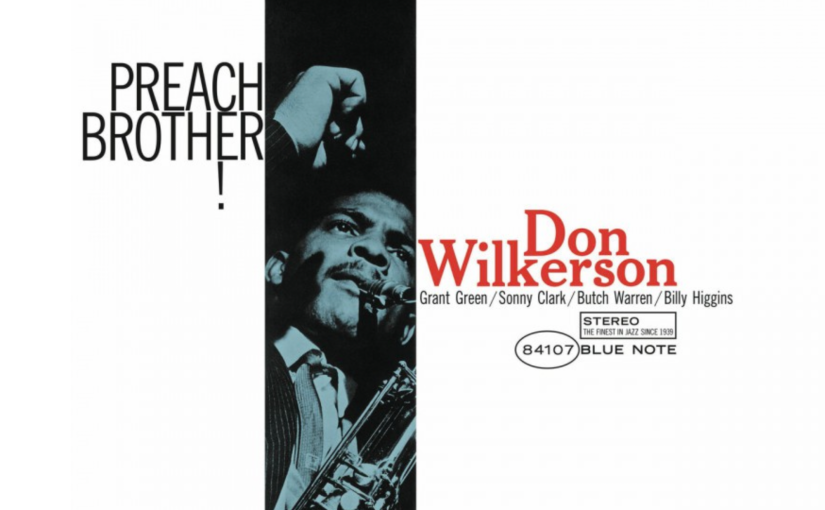
Don Wilkerson’s album “Preach Brother!” is a masterful creation that effortlessly blends soul, jazz, and blues into a captivating musical experience. Released in the golden era of the 1960s, this album features six Wilkerson originals that transcend time. Don Wilkerson’s saxophone mastery radiates through every note and is complemented by a tightly bonded ensemble that infuses vibrant life into each track: Grant Green on the guitar, Sonny Clark on the piano, Butch Warren on the bass, and Billy Higgins behind the drums.
The opening track “Jeanie-Weenie,” is a joyful upbeat rhythm-and-blues-influenced composition that features a walking boogie-woogie baseline throughout the track. It is evident that this piece draws strong inspiration from the collaborative work between Don Wilkerson and Amos Milburn during the late 1940s. “Homesick Blues” brings a change of pace, slowing things down with its timeless blues essence. In contrast to the lively “Jeanie-Weenie,” this classic blues track invites you to sit back and tap your feet to its syncopated rhythms. Don Wilkerson’s saxophone takes center stage, adding another layer of depth to the otherwise traditional composition. As the song nears its end, Wilkerson boldly takes control of the rhythm, subtly challenging the drums and creating a beautiful interplay.
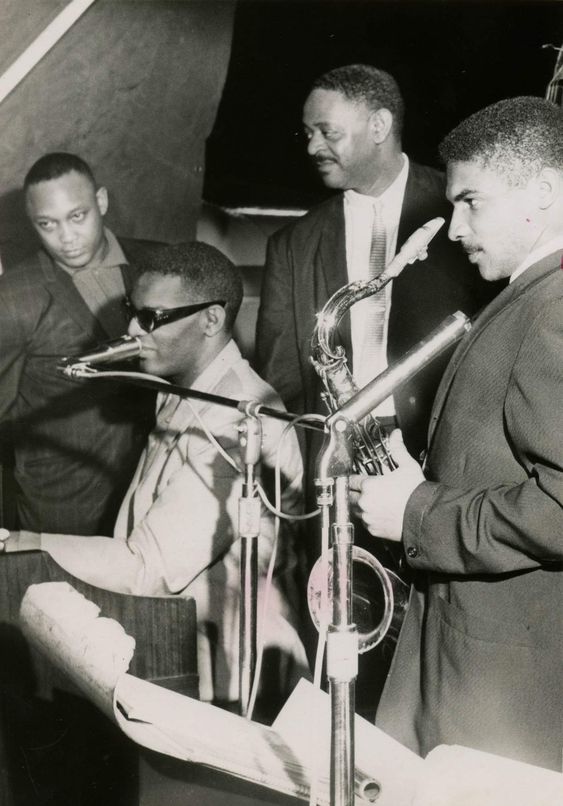
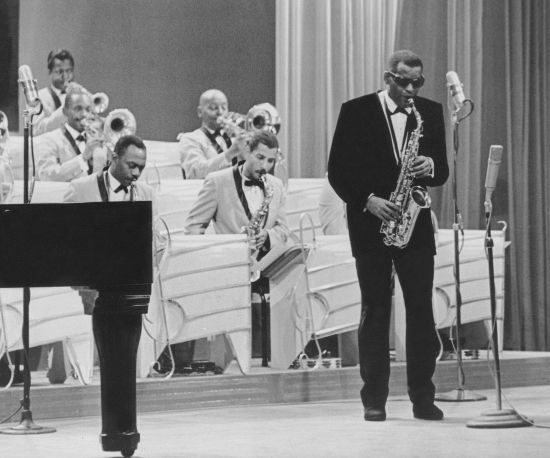
Don Wilkerson’s breakthrough as a musician came when he joined Ray Charles’ band in 1954. Classics such as “I’ve Got a Woman” and “Hallelujah” all feature Wilkerson’s saxophone. When listening to the album “Preach Brother!,” you can unmistakably feel and hear the echoes of “The Genius of Soul.”
In “Dem Tambourines,” Billy Higgins skillfully synchronizes the drums with the tambourines, creating a vibrant and rhythmic jam session atmosphere. There are minor but evident traces of Ray Charles’ influence in the rhythm, and you might consider playing “What’d I Say” afterward to discern the similarities. In “Camp Meeting,” the unmistakable essence of Ray Charles’ soul and rhythm is palpable, particularly when compared to “I’ve Got a Woman,” where Wilkerson’s saxophone features in the original recording.
“The Eldorado Shuffle” is a call-and-response spotlighting Grant Green’s guitar, Don Wilkerson’s saxophone, and Sonny Clark’s piano. “Pigeon Peas” is a rhythmical composition including funky breaks and musical interpretation. The musicians are building up tension throughout the arrangement which highlights the interplay across this tightly bonded ensemble.
Los Angeles, CA – [7/29/2024] – Renowned saxophone player and composer Alicia Camiña is thrilled to announce the release of her latest album, ‘Somewhere in My Dream,’ an innovative blend of jazz funk fusion that…
Don Wilkerson’s album “Preach Brother!” is a masterful creation that effortlessly blends soul, jazz, and blues into a captivating musical experience. Released in the golden era of the 1960s, this album features six Wilkerson originals…
John Coltrane’s A Love Supreme is a transformative and deeply personal work that speaks to the heart of human experience. As a listener, I am drawn in by the raw emotion and spiritual depth of…
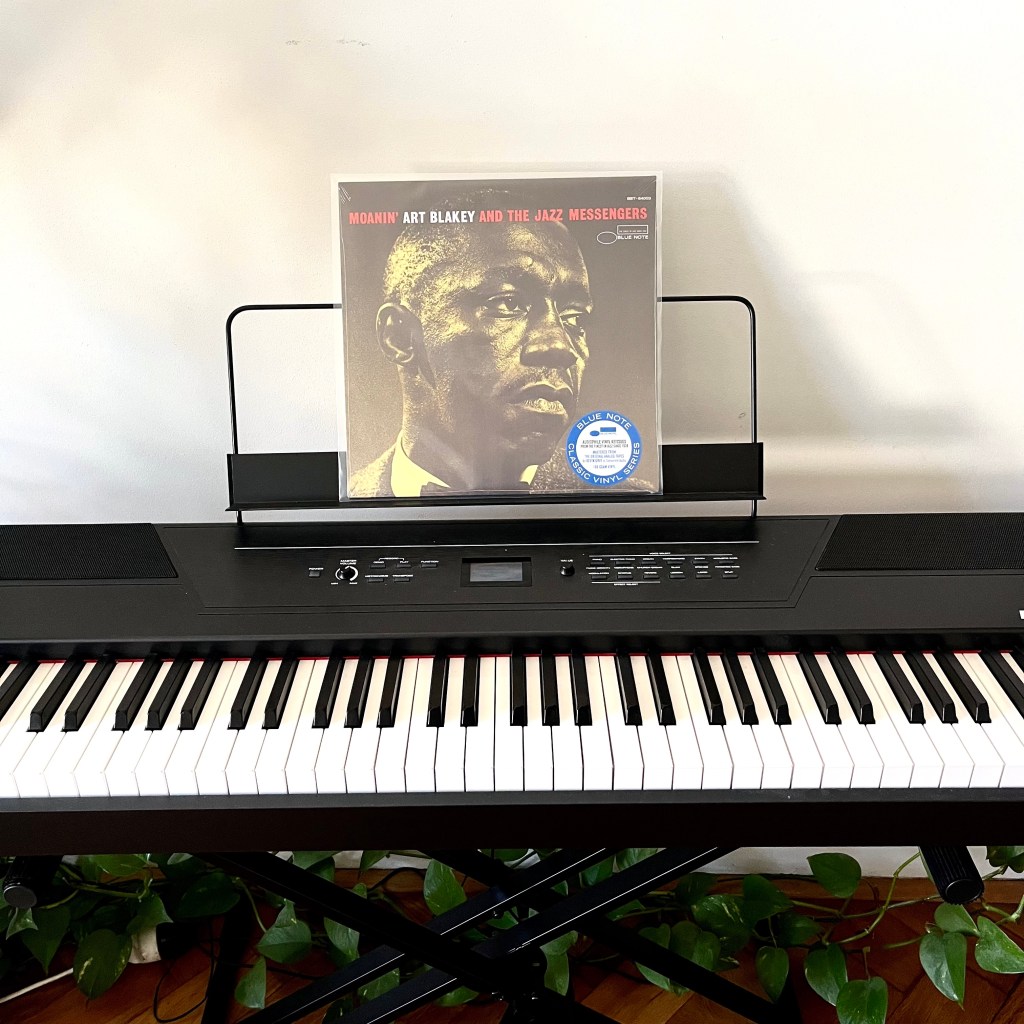
As a novice jazz pianist, there is one composition that has consistently captivated me and inspired my musical journey. It is none other than the renowned piece by jazz pianist Bobby Timmons, famously known as “Moanin’.” This funky and soulful riff, rooted in blues scales, was self-taught by him during his youth. Stories tell of him frequently playing it during recording and performances with TheJazz Messengers until his bandmate Benny Golson suggested transforming it into a full-fledged composition, which was later turned into an album (Moanin’, Blue Note 4003, 1958).
Released by the ensemble, the recording of “Moanin'” featured an extraordinary lineup including Art Blakey on drums, Lee Morgan on trumpet, Benny Golson on tenor saxophone, Jymie Merritt on bass, and, of course, Timmons himself on the piano.
One notable aspect of “Moanin'” is its call-and-response structure, expertly led by Timmons’ masterful piano playing. This technique allows the musicians to engage in a musical conversation, exchanging melodies and improvisations in a vibrant and dynamic manner. It adds a layer of interplay and spontaneity, creating a captivating listening experience for jazz enthusiasts.
Just Coolin’ is the result of a unique but short-lived ensemble of The Jazz Messengers collective. Originally founded and led by drummer Art Blakey, The Jazz Messengers knew many changes. “Stability can be elusive…
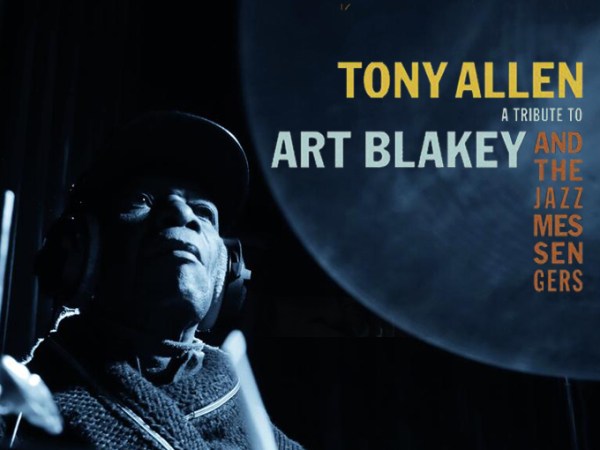
Afrobeat legend and drummer, Tony Allen, was strongly influenced by the recordings of Art Blakey. For his first release on Blue Note Records, he pays a tribute to one of the greatest hard bop…
In his book “The Jazz Standards,” Ted Gioia, a well-known American author, jazz pianist, and music historian, stated that during his own journey of learning jazz, there existed a core set of 200 to…
In his book “The Jazz Standards,” Ted Gioia, a well-known American author, jazz pianist, and music historian, stated that during his own journey of learning jazz, there existed a core set of 200 to 300 compositions that “served as the cornerstone” of the jazz repertoire. By emphasizing the importance of these compositions, Gioia underscores their pivotal role in shaping the evolution of jazz music over time. He explains that a jazz performer needed to learn these songs the same way a classical musician studied the works of Bach, Beethoven, and Mozart.
Jazz standards are musical compositions that have gained widespread recognition and have been performed and recorded by jazz musicians over the years. One defining characteristic of jazz standards is their harmonic structure. They often have a simple, memorable melody that is accompanied by a complex, sophisticated harmonic progression. These progressions provide ample opportunities for jazz musicians to improvise and explore different variations of the melody and harmony.
This article explores the captivating universe of jazz standards throughout the decades and presents a few classic examples for your listening pleasure. I’ll include a playlist as a reference so you can enjoy the songs while you read through the article.
1920s and Before
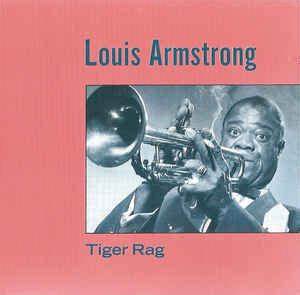
The origins of jazz standards can be traced back to the American songbook of the early 1900s when musicians primarily intended their music to be used for dancing. Musical traditions of New Orleans at the turn of the century included brass bands, blues, ragtime, and spirituals. Many of the popular jazz standards from that time were influenced by these styles. For instance, jazz musicians frequently play ragtime songs such as “Twelfth Street Rag” and “Tiger Rag,” as well as blues tunes like “St. Louis Blues” and “St. James Infirmary.”
Record companies also played a role in shaping the selection of songs recorded by jazz artists. Recording executives pushed certain songs that quickly achieved a “standard” status. As a result, early jazz groups like King Oliver’s Creole Jazz Band, New Orleans Rhythm Kings, and others incorporated a significant number of Tin Pan Alley popular songs into their repertoire, these are songs written by a collective of songwriters and publishers based in New York City.
A timeless classic from this era is the American blues song and acclaimed standard, “St. James Infirmary Blues.” It’s a traditional American folkloric song with an uncertain origin. The song includes phrases from early blues recordings and has over 120 versions by various artists, with more than 20 versions of the lyrics. The versions by Louis Armstrong (1928), King Oliver (1930), Duke Ellington (1930), and Cab Calloway (1930) are among the most highly regarded. Various musicians continue to record the song, and my preferred versions are those by Dee Dee Bridgewater and Hugh Laurie.
Another noteworthy inclusion is the traditional psalm “When the Saints Go Marching In,” which may have originated in the Bahamas in the 19th century and was frequently played by brass bands in New Orleans during funeral processions. Many artists have recorded the song, but it was Louis Armstrong who truly popularized it with his 1938 recording. Other noteworthy versions include those by Bunk Johnson (1945) and Sidney Bechet (1949).
Additional recommended jazz standards:
Title
Recommended Version
King Porter Stomp
Jelly Roll Morton
Tea for Two
Art Tatum
Blue Skies
Ella Fitzgerald
Basin Street Blues
Louis Armstrong
Ain’t Misbehavin’
Billie Holiday
1930s and 1940s
Swing jazz emerged as the predominant musical genre in America during the late 1920s and early 1930s, producing plenty of renowned swing-era hits that have since become jazz standards. Among the most significant contributors was Duke Ellington, who either composed or collaborated on over one thousand compositions, including “It Don’t Mean a Thing (If It Ain’t Got That Swing)“, “Sophisticated Lady“, and “Caravan“,
Also, the Broadway theater produced some of the most popular standards that remain widely recognized today. Compositions such as George and Ira Gershwin’s “Summertime“, Richard Rodgers and Lorenz Hart’s “My Funny Valentine“, and Jerome Kern and Oscar Hammerstein II’s “All the Things You Are” continue to be among the most frequently recorded jazz standards.
In the early 1940s, Bebop was introduced with Charlie Parker, Dizzy Gillespie, and Thelonious Monk taking the lead. This form of jazz was more distinctive compared to earlier versions, as it appealed to a more specialized audience due to its complex harmonies, fast tempos, and virtuoso musicianship. Bebop musicians frequently included songs from Broadway musicals, particularly 1930s standards, in their repertoire.
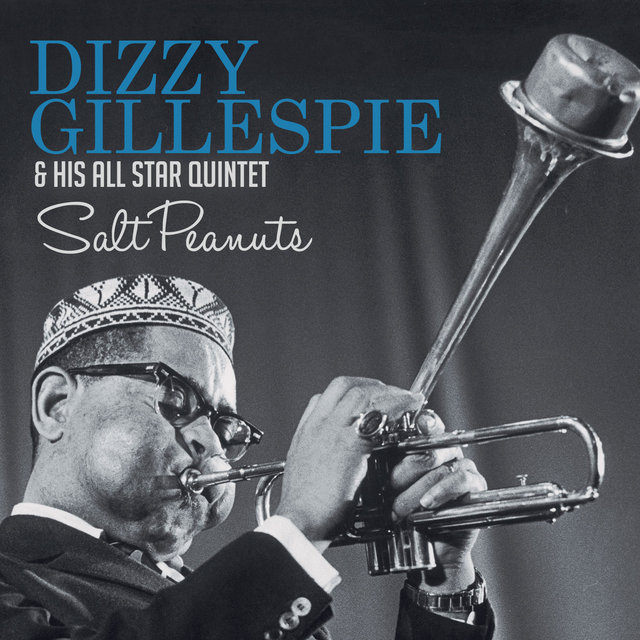
Numerous bebop standards have gained widespread popularity over the years. For instance, “Salt Peanuts,” a scat/bebop composition by Kenny Clarke and Dizzy Gillespie, “Take the A Train” by Billy Strayhorn, which gained critical acclaim and became the signature tune of Duke Ellington’s Orchestra, “Scrapple from the Apple” by Charlie Parker, which is an improvisation over the chord progression of Fats Waller’s “Honeysuckle Rose,” and “‘‘Round Midnight” composed by Thelonious Monk and Cootie Williams, which Miles Davis later performed at the Newport Jazz in 1955.
Additional recommended jazz standards:
Title
Recommended Version
Body and Soul
Coleman Hawkins
All of Me
Billie Holiday
Autumn in New York
Ella Fitzgerald
Blue Moon
Billie Holiday
In a Sentimental Mood
Duke Ellington & John Coltrane
How High the Moon
Ella Fitzgerald
A Night in Tunisia
Dizzy Gillespie
Yardbird Suite
Charlie Parker
Autumn Leaves
Cannonball Adderley
Lady Bird
Tadd Dameron Sextet
1950s and After
The 1950s was a decade of significant evolution and innovation for jazz music. It was a time when jazz musicians broke free from traditional constraints and experimented with new sounds, rhythms, and structures. This period is often referred to as the “golden age of jazz,” and it saw the rise of several influential jazz musicians who composed or reimagined jazz standards.
At the forefront was trumpeter Miles Davis, whose cool and model jazz pieces quickly gained a standard status. “Milestones,” a composition he recorded in 1958 with John Coltrane and Cannonball Adderley, is an early exploration of the model jazz style. The piece ultimately led Miles Davis to create “So What,” the most well-known example of model jazz, which opened his 1959 studio album “Kind of Blue.” The album, also featuring John Coltrane and Cannonball Adderley, is widely regarded as the greatest jazz album ever made.
The same year Miles Davis released “Kind of Blue,” The Dave Brubeck Quartet recorded and released their signature piece “Take Five.” In the jazz standard Take Five, composed by Paul Desmond, the quartet uses the uncommon time signature 5/4. It was the first jazz composition using another signature other than the standard 4/4 or 3/4 times. The song’s iconic drum and piano introduction, followed by the alto saxophone melody, helped it become a well-known and best-selling jazz classic of all time.
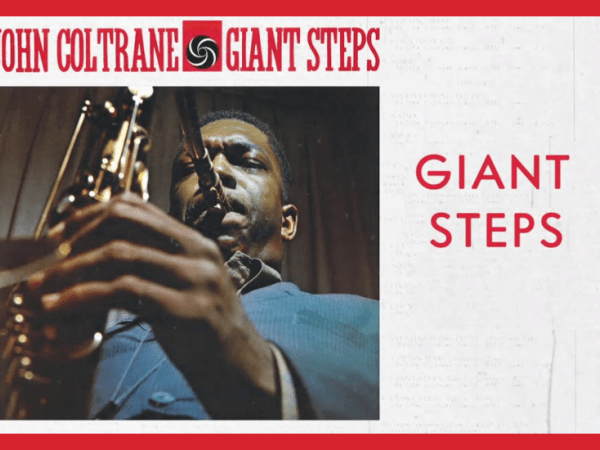
John Coltrane’s hard bop masterpiece, “Giant Steps,” was released in February 1960 and is also regarded as one of the most influential jazz albums ever. It features various Coltrane compositions such as the opening and title track “Giant Steps,” which includes unusual harmonic chord patterns known as the “Coltrane changes”, and the homage “Naima,” named after his then-wife, Juanita Naima Grubbs.
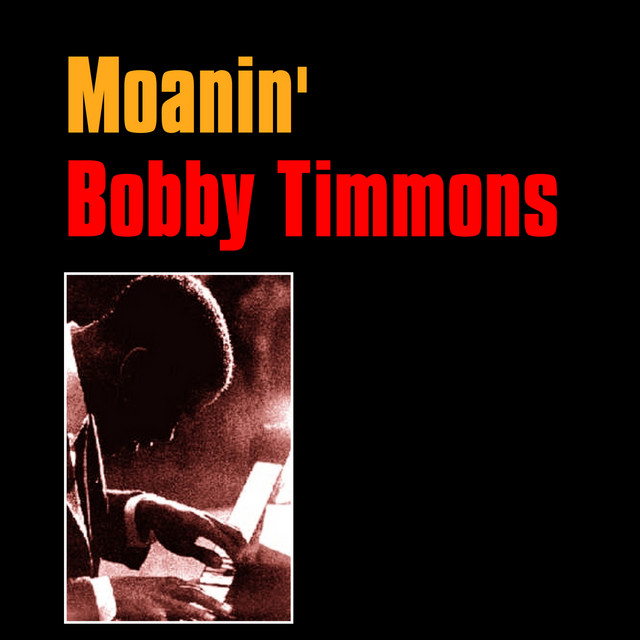
Bobby Timmons, a prominent member of Art Blakey’s Jazz Messengers, composed “Moanin’“, which was recorded and released by the ensemble. The recording featured Art Blakey on drums, Lee Morgan on trumpet, and Benny Golson on tenor sax, along with Timmons’ piano. The song features a call-and-response structure led by Timmons’ piano. Jazz critic Gary Giddins has noted that “Moaning” was “part of the funky, back-to-roots movement popularized by Horace Silver, Mingus, and Ray Charles in different ways.“
Additional recommended jazz standards:
Title
Recommended Version
Afro Blue
Dee Dee Bridgewater
The Sidewinder
Lee Morgan
Impressions
John Coltrane
Bluesette
Toots Thielemans
The Girl from Ipanema
Stan Getz & Astrud Gilberto
Blue Train
John Coltrane
My Favorite Things
John Coltrane
Watermelon Man
Herbie Hancock
Footprints
Wayne Shorter
Spain
Chick Corea
Disclaimer: I would like to clarify that the jazz recommendations I provide are based on my individual taste and preferences. It’s important to note that the versions of the songs I suggest may not necessarily be the original recordings by the composer, but rather renditions by other artists.
Boogie-woogie is, without doubt, one of the most complex piano styles developed in America. The pianist needs to demonstrate exceptional hand-independence skills and an excessive sense for rhythm and timing…
The sound of doo-wop music was born out of the creativity of the African American youth who dealt with the impact of segregation during its peak in the late 1940s…
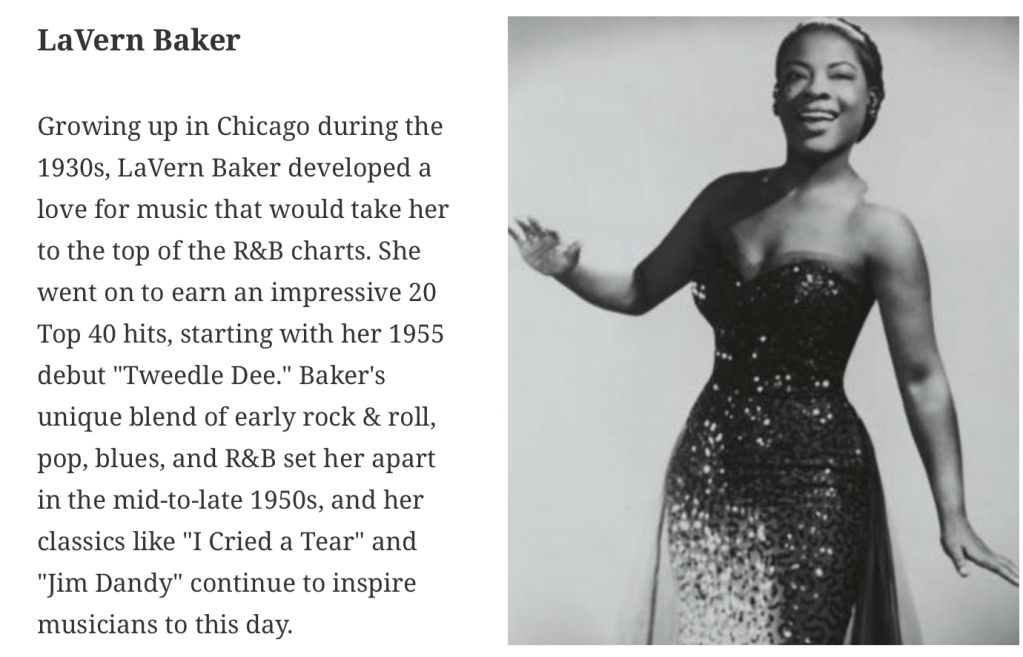
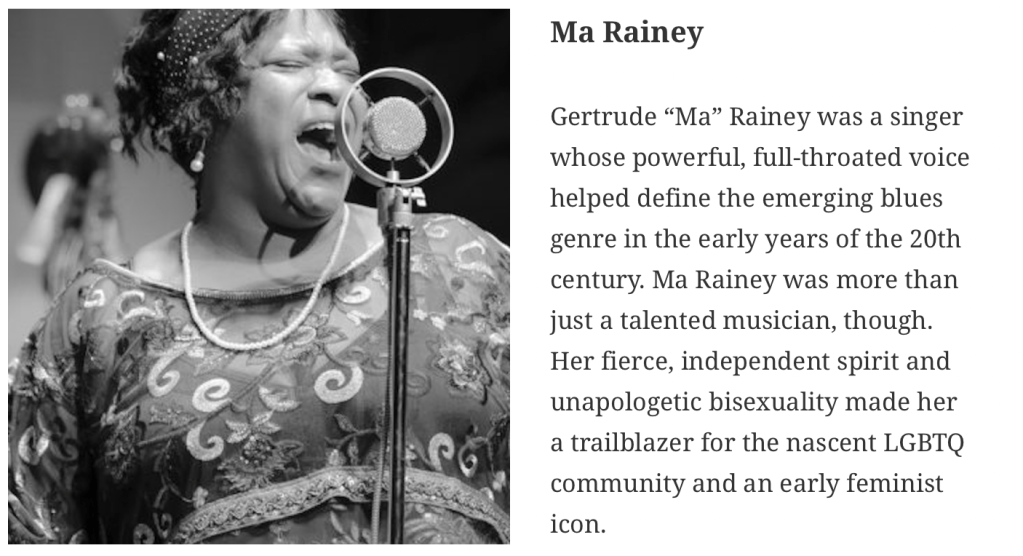
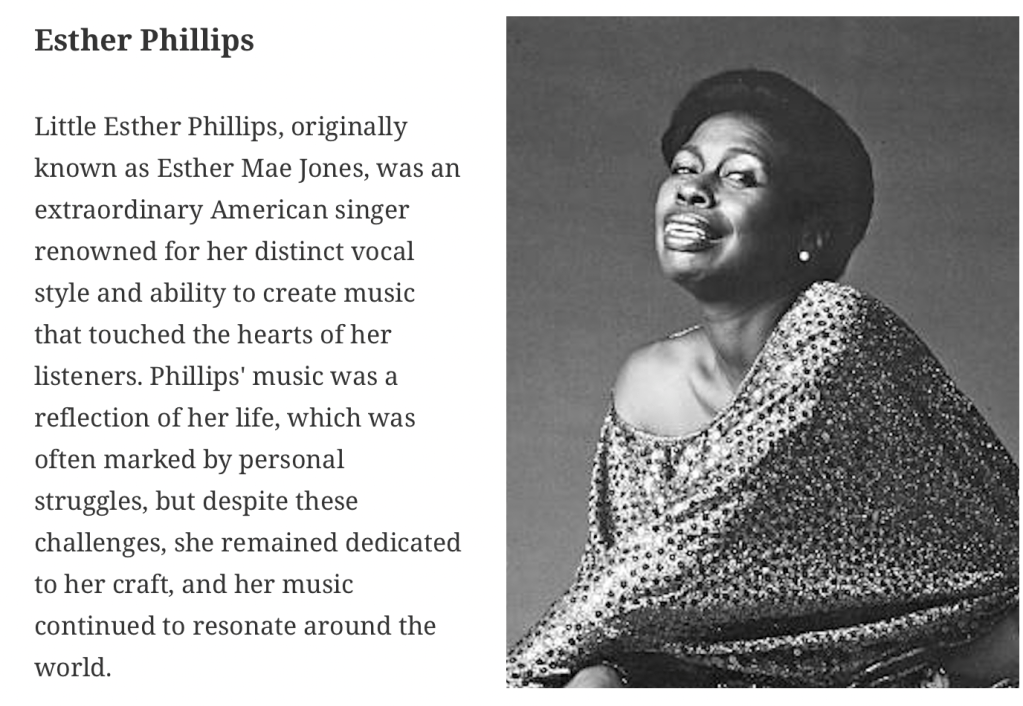
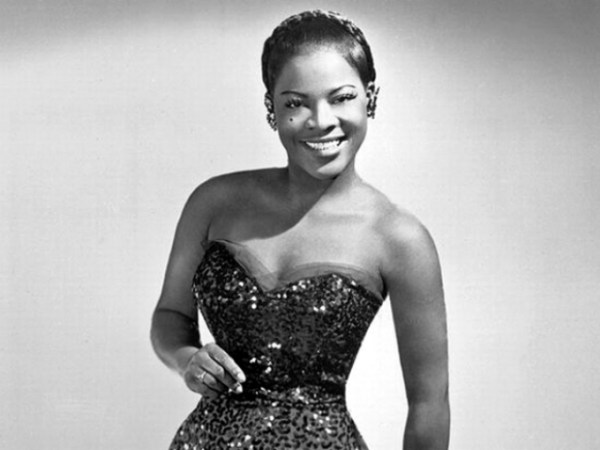
Rhythm-and-blues has been home to some of the most powerful and influential female voices in music history. From the early days of the genre to the present, women have made their mark with their stunning vocals, raw emotion, and fierce independence. Here, you can find a summary of the women who have been at the forefront of shaping the genre since its inception.
These women have shown that rhythm-and-blues is not just a genre of music, but a platform for self-expression, empowerment, and social change. Through their music, they have inspired generations of women to be strong, independent, and true to themselves. Their contributions to the world of music will always be remembered, and their influence will continue to be felt for generations to come.
This article is written in memory and honor of Shirley Elliston († October 5, 2005, New York City) Shirley Ellis is one of the most exciting performers in the world of popular music today. This…
With a recognizable drum intro from David Albert ‘Panama’ Francis, and with guidance on the tenor sax by Sam ‘The Man’ Taylor, LaVern Baker hit the charts in 1956 with the song ‘Jim Dandy’. The…
Shirley Ellis, born Shirley Marie O’Garra in 1929, was an American soul singer and songwriter who gained international fame during the 1960s. Although her active recording span was short, Shirley Ellis left us with many…
As a music genre, jazz holds a significant position in the global music scene. With its unique improvisational approach and wide range of influences, jazz has enthralled music enthusiasts for more than a century. Whether you’re a newcomer to the genre or an avid vinyl collector, there are a few indispensable albums that you shouldn’t miss.
It was hard to narrow it down, but here are the 5 essential and highly acclaimed jazz records you should own.
1. Kind of Blue – Miles Davis
“Kind of Blue” is the undisputed champion of jazz records and it’s unlikely that you’ll come across a list where the album isn’t ranked at number one, it simply stands above all the rest. But why?
First and foremost, “Kind of Blue” is a masterpiece of improvisation. Miles Davis and his band, which included jazz icons like John Coltrane and Bill Evans, recorded the album in just two sessions, and much of it was improvised on the spot. The result is a sound that is both innovative and deeply emotional. It departs from Davis’s earlier hard bop jazz style, which featured intricate chord progressions and improvisation, and is instead entirely based on modality. Each musician was given a specific set of scales that defined the boundaries of their improvisation and personal style, resulting in a series of modal sketches comprising the entire album.
But “Kind of Blue” is more than just a technical achievement. It’s an album that captures the very essence of jazz – its soulful, melancholic beauty. From the opening notes of “So What” to the closing strains of “Flamenco Sketches,” the album takes the listener on a journey through the heart of jazz music.
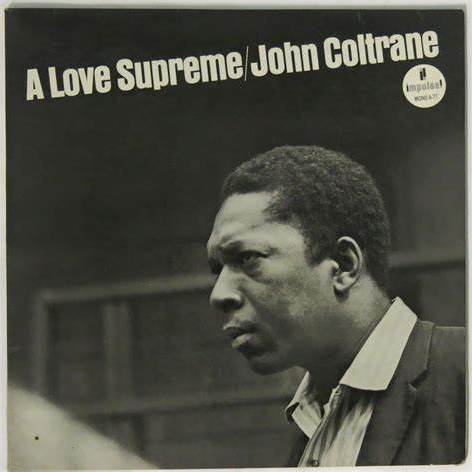
2. A Love Supreme – John Coltrane
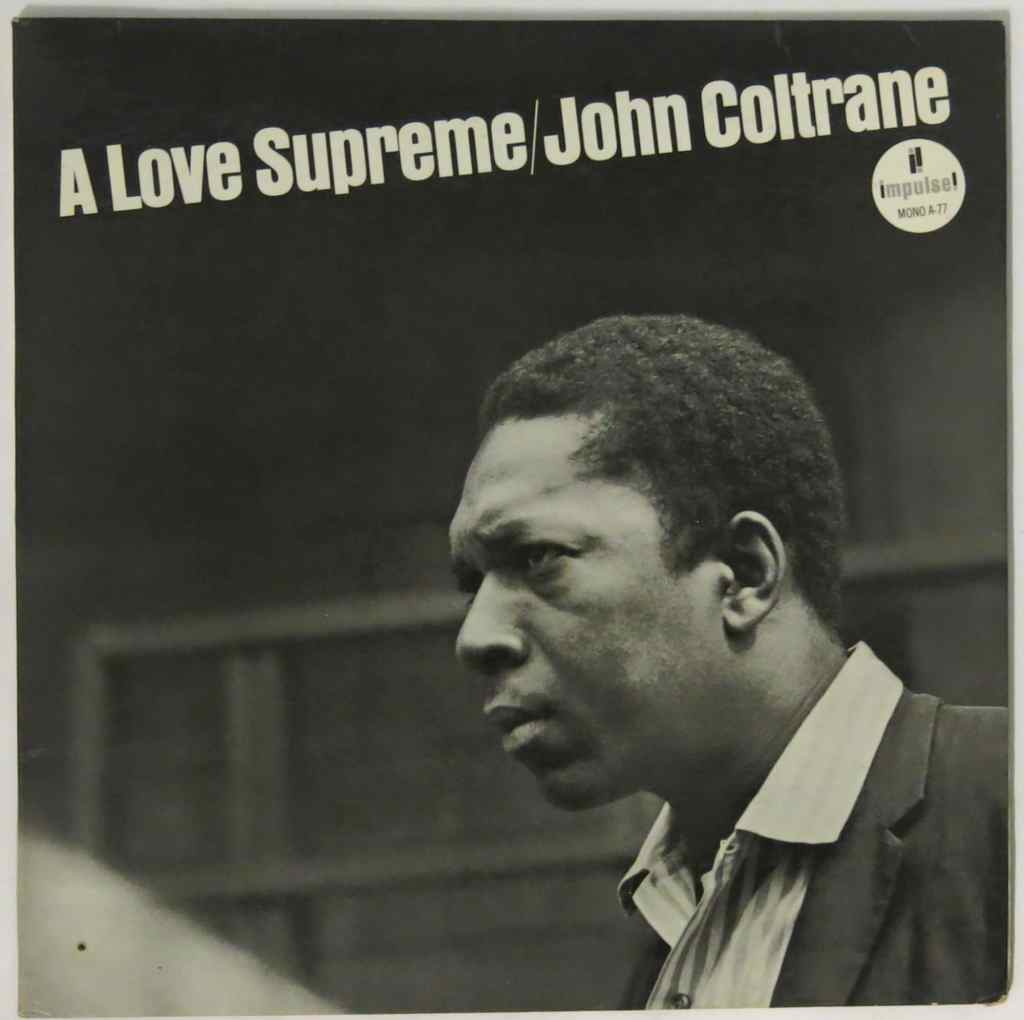
There are few jazz albums as revered and influential as John Coltrane’s “A Love Supreme.” Released in 1965, it is widely regarded as not only one of the best jazz albums ever released but as one of the greatest albums in music history. From its spiritual themes to its innovative approach to improvisation, “A Love Supreme” remains a groundbreaking and enduring work of art
John Coltrane’s “A Love Supreme” is a transformative and deeply personal work that speaks to the heart of human experience. As a listener, I am drawn in by the raw emotion and spiritual depth of the album, which was released by Impulse! Records in 1965. Coltrane’s tenor saxophone playing is both virtuosic and soulful, conveying a sense of urgency and purpose that reflects his search for enlightenment.
The album is comprised of four parts: “Acknowledgment,” “Resolution,” “Pursuance,” and “Psalm.” Each part builds upon the previous one, forming a cohesive and emotionally impactful musical journey. The album’s themes revolve around Coltrane’s spiritual awakening and his desire to express his gratitude and devotion to a higher power.
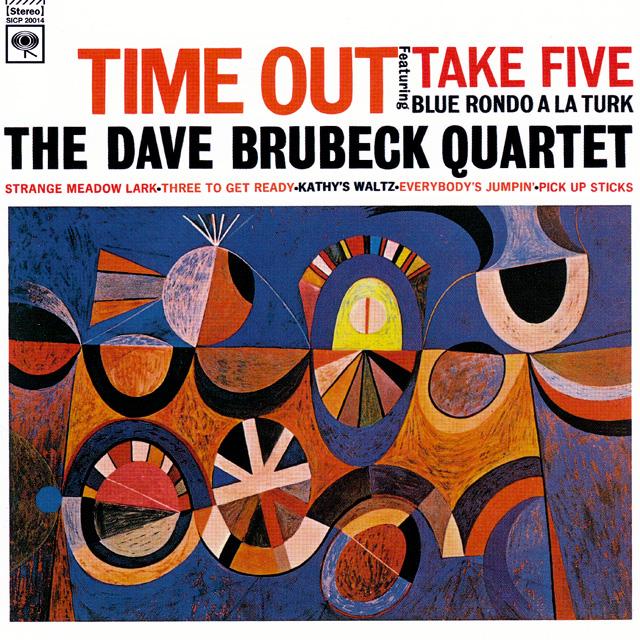
3. Time Out – The Dave Brubeck Quartet
“Time Out”, the 1959 album by The Dave Brubeck Quartet, is a landmark album in jazz history that transcends the boundaries of the genre. The album features a series of complex and innovative time signatures that were unusual for jazz at the time, and it has become one of the most beloved and essential jazz albums of all time.
The quartet includes Dave Brubeck on piano, Paul Desmond on alto saxophone, Eugene Wright on bass, and Joe Morello on drums. The album is characterized by the group’s use of unusual time signatures, for example the iconic “Take Five,” which is played in 5/4 time. “Take Five” is undoubtedly the album’s most famous track and has become a jazz standard in its own right. The track features an infectious melody that is both catchy and sophisticated, with Desmond’s alto saxophone taking the lead and Brubeck’s piano providing the rhythmic foundation.
“Time Out’s” influence on jazz and popular music cannot be overstated. The album paved the way for other jazz musicians to experiment with unusual time signatures and brought jazz to a wider audience.
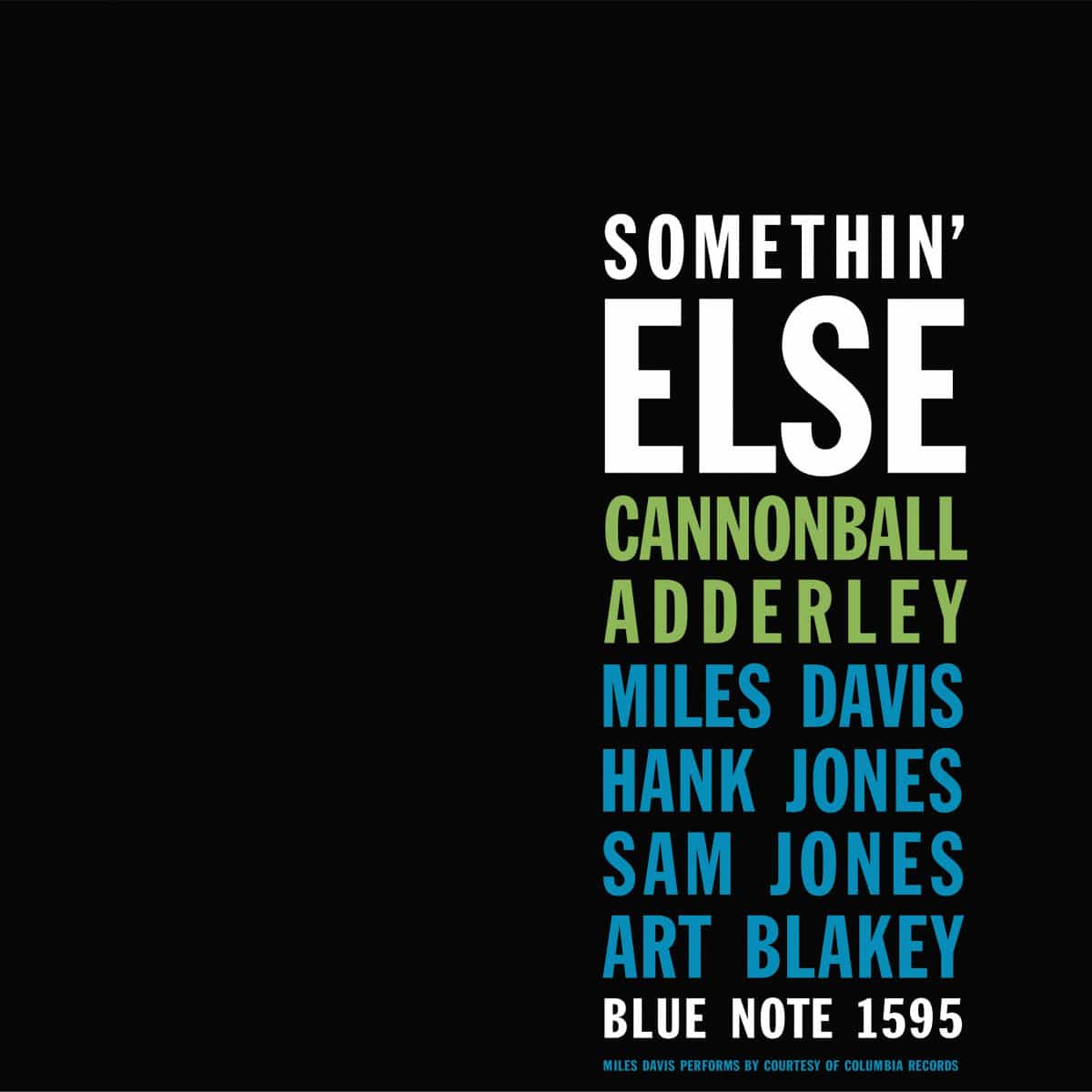
4. Somethin’ Else – Cannonball Adderley
“Somethin’ Else,” the 1958 album by the legendary saxophonist Cannonball Adderley, is a staple of the jazz world. This album is a true masterpiece that stands the test of time with its unique sound and an all-star ensemble that includes Miles Davis on trumpet, Hank Jones on piano, Sam Jones on bass, and Art Blakey on drums.
The title track “Somethin’ Else” is an absolute gem of a composition by Adderley, where the musicians blend hard bop and soulful blues to create an unforgettable sound. The track is a masterpiece in its own right. Apart from the title track, the album boasts some of the most iconic jazz tracks of the era. “Autumn Leaves” is a beautiful rendition of the classic jazz standard that showcases Adderley’s soulful playing, while “One for Daddy-O” is a groove-based piece that features the band’s effortless synergy and their ability to lock in tight.
The musicians on this album were at the top of their game, with Miles Davis’s legendary trumpet work being a standout feature. The interplay between Davis and Adderley is electrifying, and the two create a magical blend of sounds that are both breathtaking and awe-inspiring.
5. The Shape of Jazz to Come – Ornette Coleman
“The Shape of Jazz to Come” features Ornette Coleman’s unconventional approach to jazz and challenged the traditional notions of harmony, melody, and rhythm, and paved the way for the free jazz movement of the 1960s. The album features a quartet that includes Coleman on alto saxophone, Don Cherry on trumpet, Charlie Haden on bass, and Billy Higgins on drums. The quartet’s sound is raw and free-flowing, with Coleman’s unorthodox melodies and Cherry’s angular trumpet lines creating a sense of tension and release.
The title track, “The Shape of Jazz to Come,” is a stunning piece that showcases Coleman’s innovative approach to composition. The track features an unpredictable melody that is both chaotic and beautiful, with Coleman’s saxophone soaring above the rhythm section. Another standout track is “Lonely Woman,” a haunting ballad that has become one of Coleman’s most well-known compositions. The track features Coleman’s melancholic saxophone playing, with Haden’s bass providing a mournful accompaniment.
“The Shape of Jazz to Come” was not just a departure from the traditional jazz of the time; it was a revolution. Coleman’s music challenged the status quo and opened up new possibilities for the genre. His influence on the jazz world cannot be overstated, and his legacy continues to inspire generations of musicians.
Rhythm-and-blues has been home to some of the most powerful and influential female voices in music history. From the early days of the genre to the present, women have made their mark with their stunning…
As a music genre, jazz holds a significant position in the global music scene. With its unique improvisational approach and wide range of influences, jazz has enthralled music enthusiasts for more than a century. Whether…
As 2022 came and went, there were many events that affected me on a personal level. Amidst all the turmoil, music served as a constant source of comfort and stability. Among the various genres, jazz…
John Coltrane’s A Love Supreme is a transformative and deeply personal work that speaks to the heart of human experience. As a listener, I am drawn in by the raw emotion and spiritual depth of the album, which was released by Impulse! Records in 1965. Coltrane’s tenor saxophone playing is both virtuosic and soulful, conveying a sense of urgency and purpose that reflects his search for enlightenment. The album’s four tracks form a suite that takes the listener on a journey of introspection and self-discovery, with each song building upon the last to create a powerful and cohesive narrative.
The opening track, “Acknowledgment,” is a soaring and uplifting composition that sets the tone for the rest of the album. Coltrane’s saxophone playing is full of energy and emotion, and his bandmates – pianist McCoy Tyner, bassist Jimmy Garrison, and drummer Elvin Jones – provide a strong and supportive backdrop.
The second track, “Resolution,” is a more contemplative piece that explores the theme of struggle and determination. Coltrane’s saxophone playing is still at the forefront, but the rest of the band is given more space to showcase their talents as well.
The third track, “Pursuance,” is a lively and energetic piece that features some of Coltrane’s most impressive and intricate saxophone playing. The rhythm section keeps pace with Coltrane’s frenzied improvisations, creating a sense of tension and excitement that builds throughout the song.
The final track, “Psalm,” is a beautiful and meditative piece that serves as a prayer of thanks for Coltrane’s spiritual awakening. The song features a spoken-word section where Coltrane recites a poem that expresses his gratitude and devotion.
A Love Supreme is not only a jazz masterpiece but also a deeply personal and spiritual work that resonates with listeners of all backgrounds. John Coltrane’s exceptional talent and creativity are on full display in this album, which features complex harmonies, intricate rhythms, and breathtaking improvisations. However, it is the emotional intensity and spiritual depth of the music that makes A Love Supreme a transcendent experience.
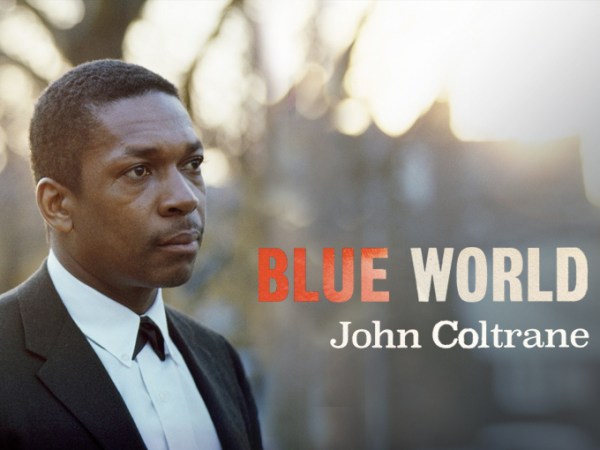
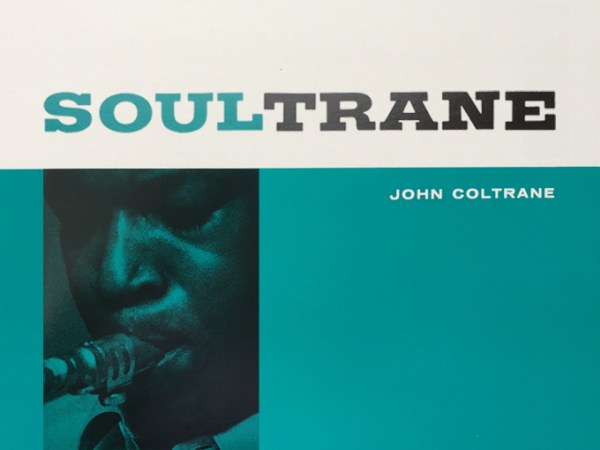
John Coltrane’s masterpiece, Giant Steps, turned sixty in 2020 and this was celebrated with an anniversary deluxe edition LP. Let’s have a brief look at how the album came to life and how Coltrane developed,…
By 1964 saxophonist John Coltrane was one of the leading figures in jazz music. Mainly, thanks to his release of Giant Steps in 1960. Officially, he recorded and released two albums that year: the often-overlooked…
The second half of the nineteen-fifties defined John Coltrane’s career and helped him come into prominence as a musician and arranger. Underlined is the time as a member in Miles Davis’ First Great Quintet and…
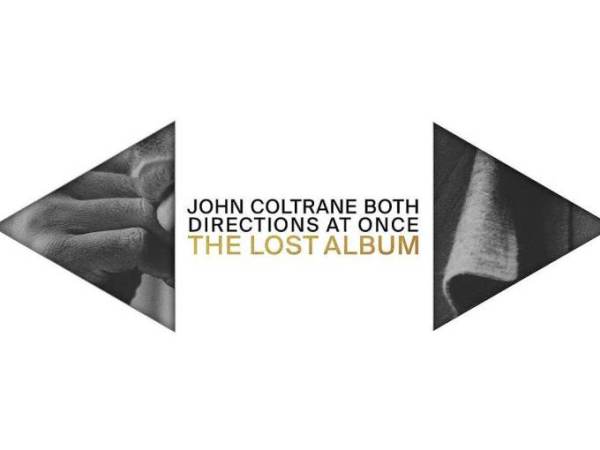
Another lost John Coltrane recording which recently got discovered is the album titled Both Directions at Once: The Lost Album. The album got recorded on March 6, 1963, in the Rudy Van Gelder Studio. The…
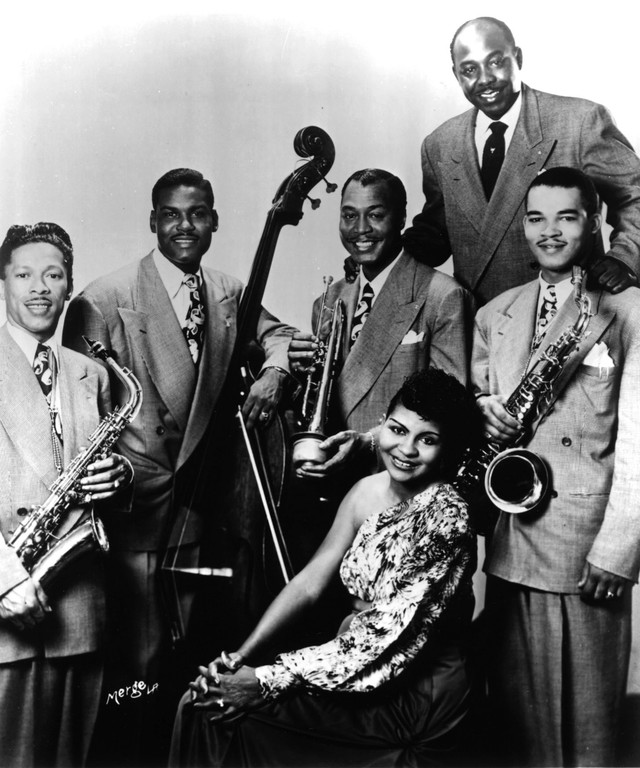
As the 1940s dawned, a new sound began to emerge from the jazz clubs of America. It was a sound that blended swing, blues, and gospel, and is characterized by strong rhythms, soulful vocals, catchy melodies, and an emphasis on the heavy backbeat. It was an energetic and uptempo forerunner of rhythm-and-blues that often featured a swinging horn section and boogie-woogie piano. This genre, known as Jump Blues, was more dance-oriented and quickly captured the hearts of audiences across the country.
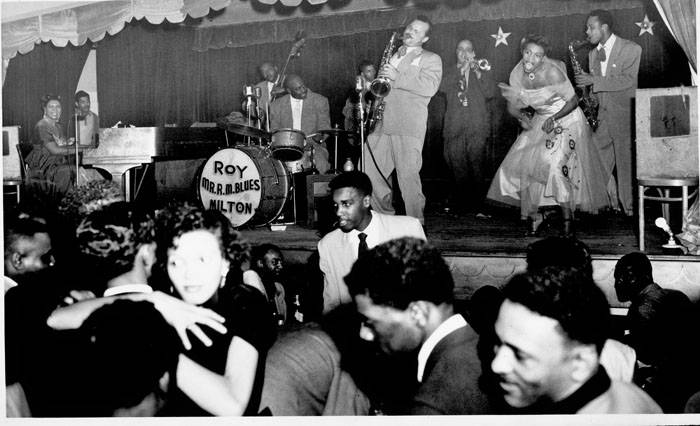
At the forefront of this revolutionary new style was drummer Roy Milton. Milton, born in Oklahoma in 1907, grew up in a musical family and quickly developed a passion for playing music. After moving to Los Angeles, in 1933, he formed his own band, the Solid Senders, with Camille Howard on piano. The band played in many local clubs and mid the 1940s, they start recording. The early recordings included one of Milton’s signature tunes, “R.M. Blues,” a swinging blues number that featured smooth vocals and catchy horn lines. The song was a huge hit, and it became a staple of Milton’s live shows for years to come.
In the late 1940s, Roy Milton’s career took off when he and his band signed with the Specialty Records label and began recording a series of chart-topping singles. He cranked out hit after hit and songs like “Hop, Skip, And Jump,” “You Got Me Reeling And Rocking,” and “Milton’s Boogie” showcased his unique blend of blues, jazz, and boogie-woogie.
Milton’s drumming style was characterized by a heavy emphasis on the backbeat, which helped to create the driving, danceable rhythms that were a hallmark of jump blues music. He was also known for his use of a shuffle rhythm, which featured a syncopated pattern of triplets on the snare drum. This style of drumming became a defining element of jump blues and the later R&B sound. his drumming is an essential part of the rhythm section, providing a solid foundation for the band’s grooves and helping to propel the music forward.
Few artists have left a mark as deep as Roy Milton and his legacy lives on through his music. His influence can be heard in the work of countless artists, from Elvis to James Brown, and from The Rolling Stones to The Beatles. And while his music may have been rooted in a bygone era, its timeless appeal continues to resonate with music lovers of all ages. So the next time you find yourself tapping your feet to an infectious rhythm, remember that you have Roy Milton to thank for it.
Hey Lawdy Mama (1944, June Richmond and Roy Milton’s Band)
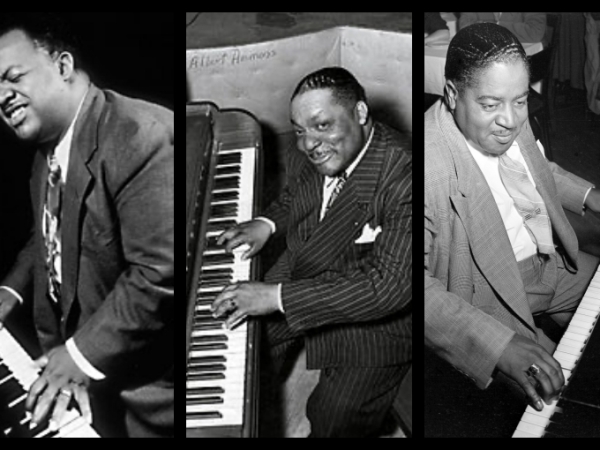
When looking back at the development of boogie-woogie piano music, three pianists stand out. Their names are Meade ‘Lux’ Lewis, Albert Ammons, and Pete Johnson. They are responsible for getting the attention of the…
Shirley Ellis, born Shirley Marie O’Garra in 1929, was an American soul singer and songwriter who gained international fame during the 1960s. Although her active recording span was short, Shirley Ellis left us with…
It was the co-founder of Atlantic Records, Ahmet Ertegun, who approached Jesse Stone with the question to write an up-tempo 12-bar blues song for Big Joe Turner. Little did he know that the song…
As 2022 came and went, there were many events that affected me on a personal level. Amidst all the turmoil, music served as a constant source of comfort and stability. Among the various genres, jazz music stood out to me as a beacon of hope and progress.
As such, I have compiled a list of the top five jazz albums released in 2022, according to my personal taste and preferences.
Ghost Song – Cécile McLorin Salvant
March 2022 / Nonesuch Records
Cécile McLorin Salvant’s album “Ghost Song” is a haunting and evocative collection of 20th-century songs, including the Kate Bush classic “Wuthering Heights,” that showcases her immense talent as a vocalist and storyteller. Her voice is a marvel, conveying a range of emotions and stories with remarkable power and nuance. Her work on “Ghost Song” has firmly established her as one of the foremost voices in contemporary jazz.
Grief – Samora Pinderhughes
March 2022 / Stretch Music
The original songs featured on “Grief” are part of a larger multimedia project (The Healing Project) created by pianist, vocalist, and activist Samora Pinderhughes through interviewing hundreds of colored individuals who were wrongfully impacted by the criminal justice system.
The 7th Hand – Immanuel Wilkins
January 2022 / Blue Note
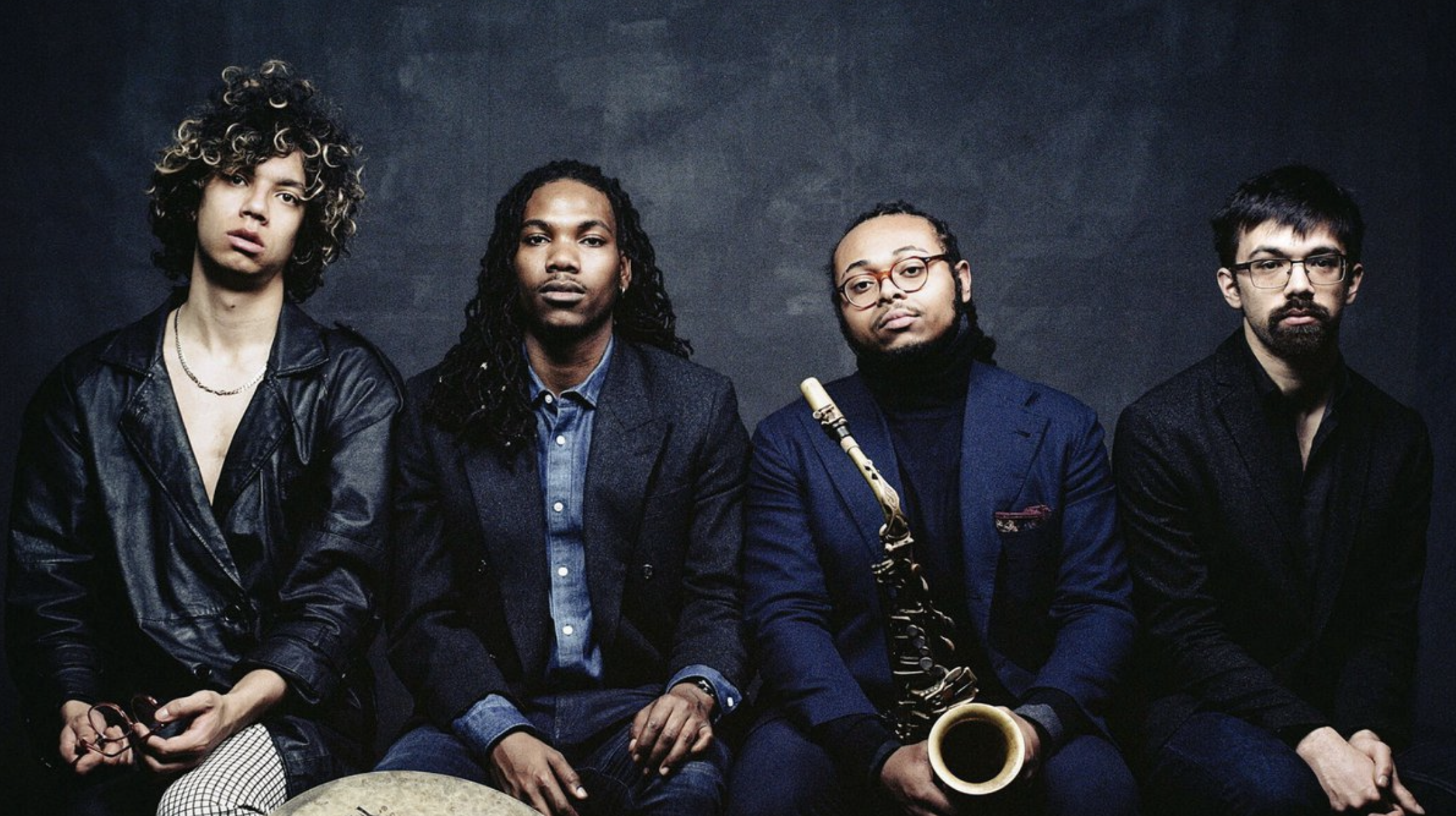
Immanuel Wilkins’ “The 7th Hand” serves as a sequel to his widely discussed Blue Note debut album, “Omega,” which was released in 2020. With the same quartet, Wilkins takes things to the next level. The album is a captivating blend of jazz, classical, and contemporary music that showcases his talent as a saxophonist, composer, and bandleader. Immanuel Wilkins has established himself as a promising talent in the jazz world, and one to keep an eye on in the coming years.
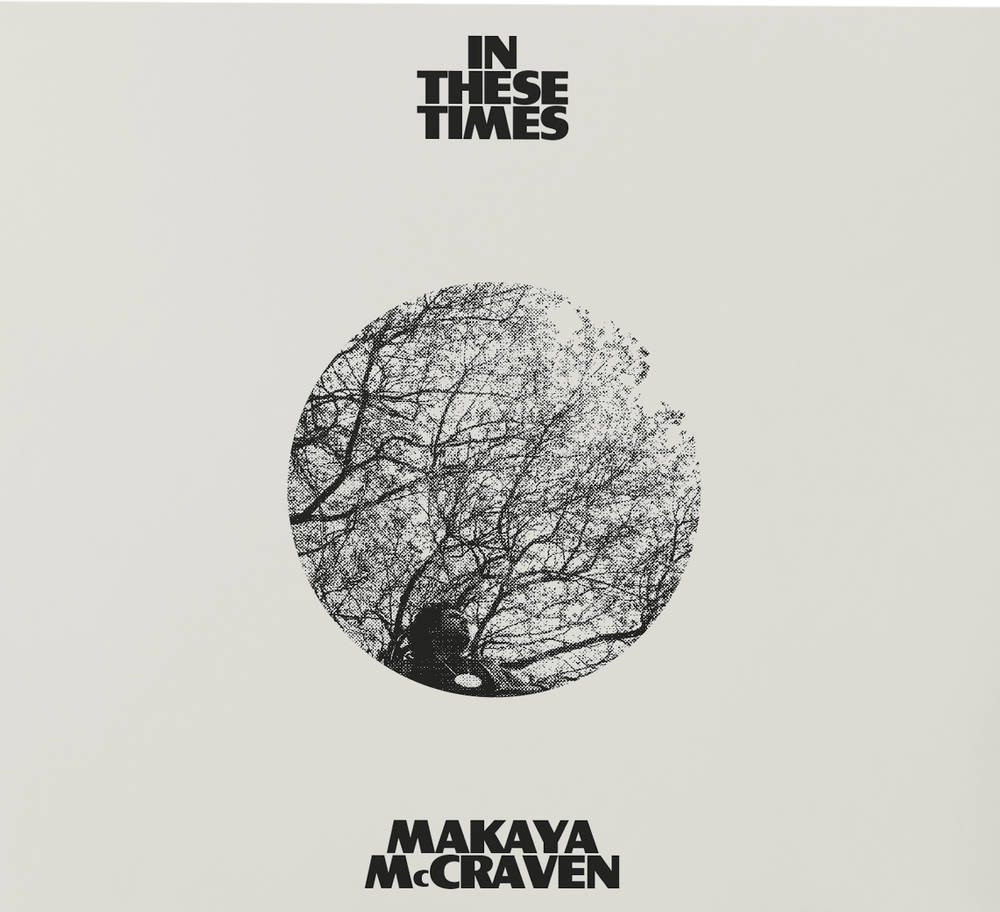
In These Times – Makaya McCraven
September 2022 / XL Recordings
Makaya McCraven’s 2022 album “In These Times” is a fusion of jazz, hip-hop, and electronic music that tackles themes of social justice, community, and resilience. The album features an impressive range of musicians and showcases McCraven’s skill as an arranger, collaborator, and drummer.
Linger Awhile – Samara Joy
November 2022 / Verve Records
“Linger Awhile” features covers of classic jazz songs and original compositions, showcasing the singer’s beautiful timbre. Standout tracks include “Guess Who I Saw Today,” “Round Midnight,” and a beautiful closing rendition of George Gershwins’ “Someone to Watch Over Me.” Overall, the album is a beautiful tribute to the genre and its influences.
How was 2021 for jazz musicians? Let’s reflect back and list out what were, according to me, the five best jazz albums released during the year. Dear Love – Jazzmeia Horn and Her Noble Force…
2020 wasn’t a great year for culture. Luckily, we still had jazz music and its ability to adapt to any situation. A new generation of musicians emerged and they are blending jazz traditions with spoken…
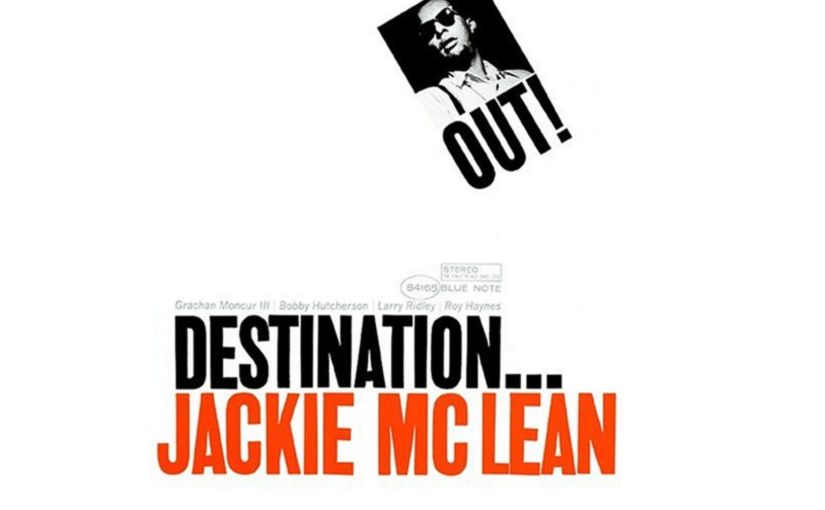
Acclaimed saxophonist and hard-bop innovator Jackie McLean was a vital contributor to the direction of jazz music into post-bop by introducing elements of the avant-garde through the 1950s and ’60s. His Blue Note studio album Destination…Out! (Blue Note, 1964) brings forward these elements.
McLean became an active presence in New York City after bebop revolutionized and dominated the jazz scene. At a young age and before starting to lead his own groups, he learned from prominent figures such as Miles Davis, Art Blakey, Charles Mingus, and Charlie Parker.
His first recording as a jazz musician came when he was only 16 years old. His first significant collaboration as an alto saxophonist was on the album Dig (Prestige, 1951) where he featured as a sideman alongside Art Blakey, Sonny Rollins, and Miles Davis. He continued working with Miles Davis and accompanied the trumpetist on his first Blue Note recording session in 1952. His name appeared next to Miles Davis’s on various Blue Note albums, which led to releasing his own debut as a leader: Presenting… Jackie McLean: The New Tradition (Ad Lib, 1955).
In 1956, he became a member of Art Blakey’s Jazz Messengers collective and stayed with them until 1958. During these years, he played a vital role in developing hard bop alongside Art Blakey and so, he became one of its pioneers. His Jazz Messengers years were not exclusive, McLean continued to produce successful albums on various labels as both a leader and sideman. His most notable work aside from the Jazz Messengers recordings were the recordings with Charlie Mingus’ band, and the recording of the “enduring hard-bop classic” (The New York Times) album titled Cool Struttin’ by jazz pianist Sonny Clark (Blue Note, 1958).
“Of all of McLean’s Blue Note dates, so many of which are classic jazz recordings, Destination Out! stands as the one that reveals the true soulfulness and complexity of his writing, arranging, and ‘singing’ voice.”
Thom Jurek (review for AllMusic)
By the time Destination…Out! was recorded and released, McLean was an icon of the NYC jazz scene. In the years building up to the Destination…Out! recording, McLean’s innovative hard bop sound progressed and elements of the avand-garde began to take the surface. McLean got Inspired by Ornette Coleman and John Coltrane which make him seek greater freedom of expression in his music. “Today, we live in an age of speed and variety; we live in an age of men seeking to explore words beyond; and since music is just an expression of the happenings around us, it is quite natural for the young musicians to express or attempt to express the mood and tempo of our time; just as ragtime music painted a portrait of the era of prohibition, so too does today’s jazz paint a portrait of the space age,” McLean wrote for the album’s liner notes.
Just Coolin’ is the result of a unique but short-lived ensemble of The Jazz Messengers collective. Originally founded and led by drummer Art Blakey, The Jazz Messengers knew many…
John Coltrane started his musical journey in 1949 under the spell of Charlie Parker and later Dizzy Gillespie. In 1954, he joined The Miles Davis Quintet where he was…
Afrobeat legend and drummer, Tony Allen, was strongly influenced by the recordings of Art Blakey. For his first release on Blue Note Records, he pays a tribute to one…








































 Bertolt Press