John Coltrane’s Blue World

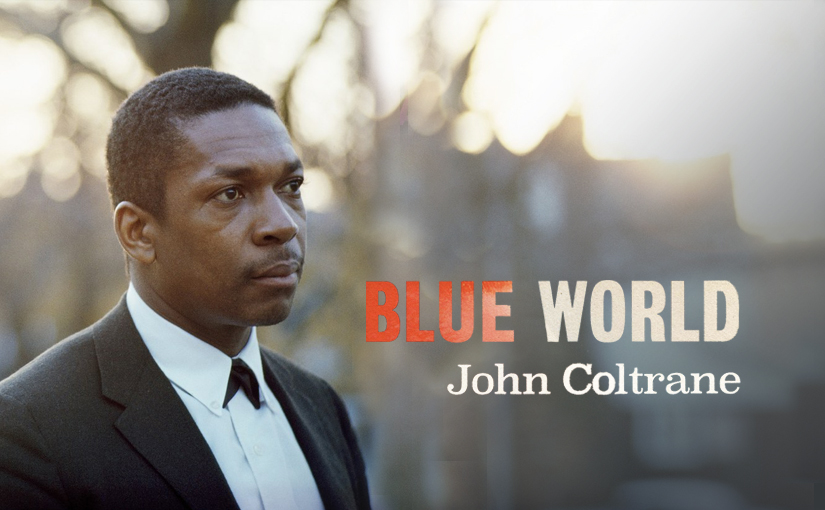
By 1964 saxophonist John Coltrane was one of the leading figures in jazz music. Mainly, thanks to his release of Giant Steps in 1960. Officially, he recorded and released two albums that year: the often-overlooked album Crescent, and the well-known masterpiece A Love Supreme. With the recent release of his recording Blue World, we can add a third “album” to the list.

Blue World, recorded in the Rudy Van Gelder Studio on June 24 (1964), is a composition for the movie: Le Chat Dans Le Sac (Gilles Groulx, 1964). The soundtrack was fully composed by John Coltrane. For the recording, he invited his classic 1960s quartet featuring McCoy Tyner on the piano, Jimmy Garrison on the bass, and Elvin Jones behind the drums. It was also with these musicians that he recorded Crescent (April/June 1964) and A Love Supreme (December 1964).

For every admirer of the saxophonist, composer, and bandleader, this release is very welcome. It gives another insight into the confidence Coltrane and his band had that year.

The album features two alternate takes on the song “Naima“, a ballad he composed for his wife Juanita Naima Grubbs (married 1955-66) in 1959 and which was originally released on the album Giant Steps. Also notable are the three takes on his composition “Village Blues“, a song that was originally released on the studio album Coltrane Jazz with Steve Davis on the bass. The Blue World recordings would feature Jimmy Garrison who replaced Steve Davis in 1961.

After Le Chat Dans Le Sac was put online for streaming, the search for the original recording tapes began. They were stored in the archives of the National Film Board of Canada. After discovering and clearing out the legal constraints, the music was released to the public in 2019.

Naima – John Coltrane Quartet – Belgium 1965

Related articles:

Exploring Jazz Standards

In his book “The Jazz Standards,” Ted Gioia, a well-known American author, jazz pianist, and music historian, stated that during his own journey of learning jazz, there existed a core set of 200 to…


Top 5 Essential Jazz Albums You Should Own

As a music genre, jazz holds a significant position in the global music scene. With its unique improvisational approach and wide range of influences, jazz has enthralled music enthusiasts for more than a century.…
John Coltrane’s A Love Supreme

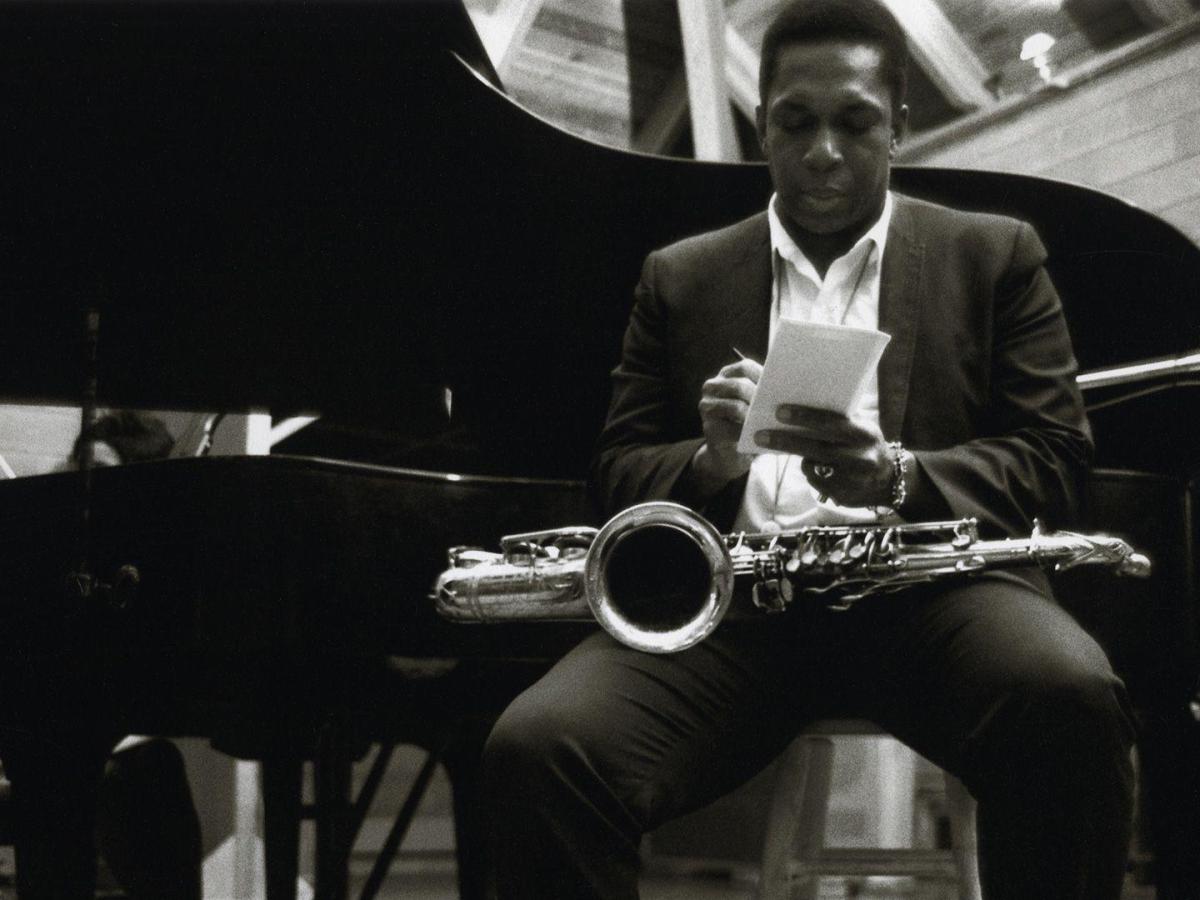
John Coltrane’s A Love Supreme is a transformative and deeply personal work that speaks to the heart of human experience. As a listener, I am drawn in by the raw emotion and spiritual depth…
John Coltrane’s Giant Steps

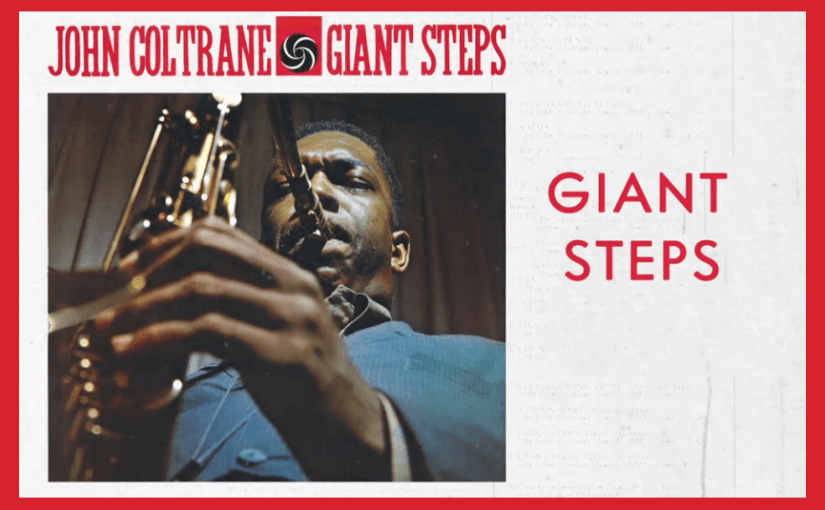
John Coltrane’s masterpiece, Giant Steps, turned sixty in 2020 and this was celebrated with an anniversary deluxe edition LP. Let’s have a brief look at how the album came to life and how Coltrane developed, personally and musically, before being able to compose one of the most influential jazz albums of all time.

John Coltrane went through a lot before he was ready to create his masterpiece Giant Steps. Starting his musical journey in 1949 under the spell of Charlie Parker, and later Dizzy Gillespie, he felt dissatisfied, even dejected. In 1954, Coltrane joined The Miles Davis Quintet where he was encouraged to think more harmonically. This was an important milestone in the yet-to-be-written composition of Giant Steps as he was introduced to new possibilities in chord progressions.

Coltrane had a drug addiction and was dismissed from the band (together with drummer Philly Joe Jones) in 1957. Being sacked by the number one musical influencer, Miles Davis, was a wake-up call. With the help of friends and family, Coltrane took steps to get his life back in order. He started rehearsing with the celebrated Thelonious Monk and this not only helped him recover from his addiction but also helped him develop artistically.

“Working with Monk brought me close to a musical architect of the highest order”

John Coltrane in an interview with DownBeat (1960)

Fully recovered and evolved, Coltrane rejoined Miles Davis’ band in 1958. The following year, they recorded Miles Davis’ Kind of Blue, an album that is claimed to be the most important album in jazz history. Giant Steps was recorded less than a month after the sessions for Kind of Blue (1959). Giant Steps, consisting entirely out of Coltrane’s original compositions, was released in 1960, and despite being a perfect contrast to Kind of Blue, it became a mighty equal.

Working with Thelonious Monk, and recording Kind of Blue with Miles Davis, were both giant steps John Coltrane took before he mastered the skills to compose and record the album that innovated jazz harmonically and rhythmically.

Related articles:

Spotlight on Coltrane: 5 Diverse Albums

John Coltrane started his musical journey in 1949 under the spell of Charlie Parker and later Dizzy Gillespie. In 1954, he joined The Miles Davis Quintet where he was encouraged to think more harmonically. During…

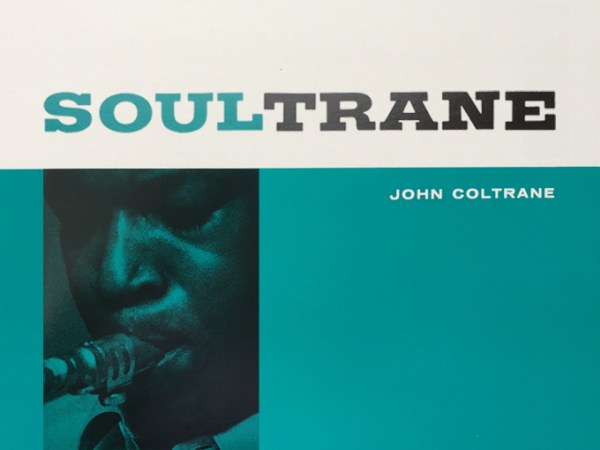
John Coltrane’s Soultrane

The second half of the nineteen-fifties defined John Coltrane’s career and helped him come into prominence as a musician and arranger. Underlined is the time as a member in Miles Davis’ First Great Quintet and…

Five Biographical Documentaries Of Jazz Titans

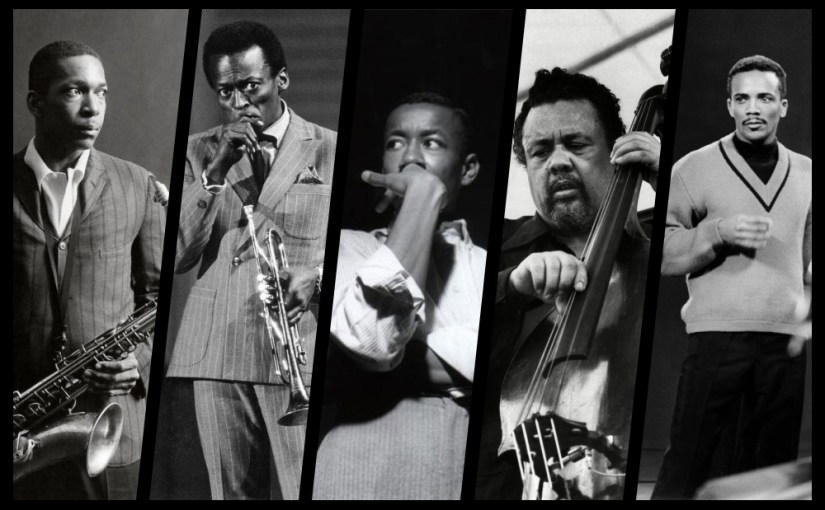
It’s not an easy task to capture the life of jazz titans like John Coltrane or Miles Davis into a ninety minutes cut. There is a lot of ground to cover before you’re able to give the audience a peek into their minds. Some directors and screenwriters managed to provide us with the best possible overview. They captured the essentials that contribute to their legacy.

Here are five biographical documentaries of true jazz titans where they successfully documented the story of the artists.

Chasing Trane: The John Coltrane Documentary

2016 / John Scheinfeld (director & writer)

Chasing Trane is an epic portrait of the legendary forward-thinking saxophonist who innovated and influenced jazz music in many ways. This story explores the impact of Coltrane’s life on the music he made.

It’s a classic, well-made biographical movie built on personal interviews with his children and grandchildren, friends, and fellow musicians. It creates honest insights into the life of the jazz titan.

John Scheinfeld’s documentary includes footage of Coltrane’s performances and uses the musician’s own words, read by Denzel Washington. At times, it analysis Coltrane’s compositions and his unique way of playing.


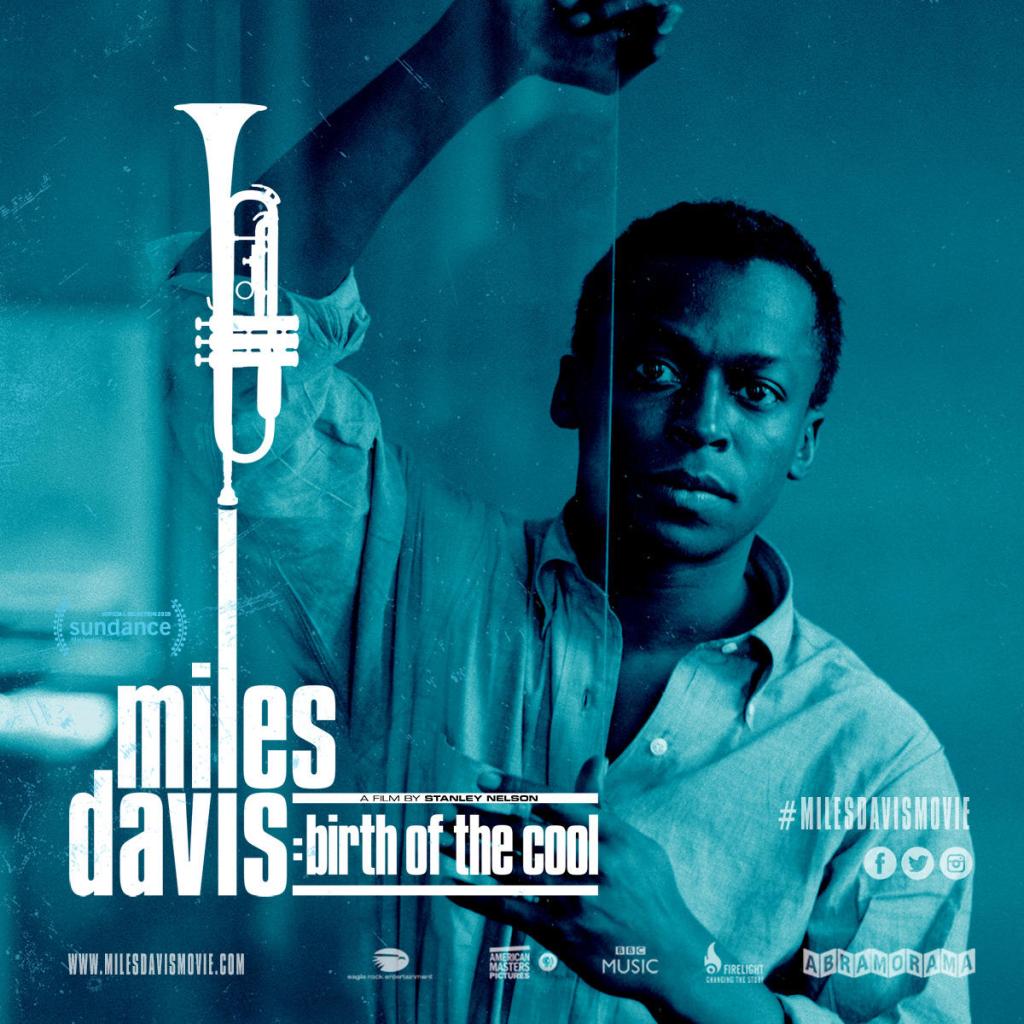
Miles Davis: Birth of the Cool

2019 / Stanley Nelson (director & writer)

This documentary is a reflection on the musical career of Miles Davis and the birth of cool jazz. It captures the story of the talented trumpet player who introduced the world to a new style of jazz by blending it with modern classical ideas. An approach that would shape bebop into something everybody can listen to, a sub-genre not limited to jazz fans alone.

It is not an easy task to capture the story of Miles Davis on film. Davis was actively shaping jazz music for six full decades. The documentary attempts this via interviews with family members, friends, and musicians such as Quincy Jones.

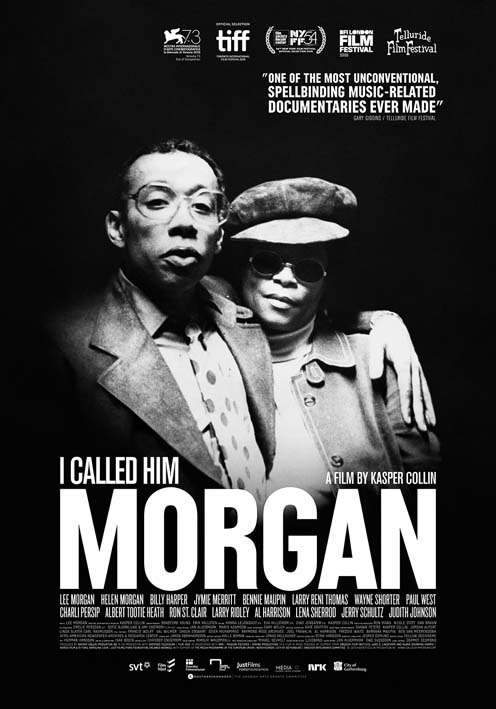
I Called Him Morgan

2016 / Kasper Collin (director & writer)

I called him Morgan” are the words of Helen Morgan in an interview she gave two decades after she shot and killed her common-law husband, Lee Morgan.

The documentary is not a study into the life of hard bob trumpeter Lee Morgan. Instead, It’s a drama narrating the relationship between him and Helen. Via interviews with former band members and friends, we get a picture of what caused the fatal shooting of this celebrated musician who featured in bands with Dizzy Gillespie and Art Blakey.

Lee Morgan’s story is spellbinding. A young talented musician who struggled with a drug addiction and got murdered. This is the story of a musician who obtained his place in history next to Louis Armstrong, Dizzy Gillespie, and Miles Davis, as one of the greatest trumpet players in history.


Charles Mingus: Triumph of the Underdog

1998 /  Don McGlynn (director & writer)

This project took nine years to complete and is the first comprehensive documentary about the life of jazz musician Charles Mingus.

Charles Mingus is known for being a great bass player, bandleader, and composer. The documentary highlights Mingus as a composer. A musical genius with many ideas and innovative ways to use music. Mingus created unusual complexity in writing by using different layers and combining multiple rhythms. His high-sounding music feels chaotic, and yet, its structure has many similarities with classical music.

The story is told from the perspective of people who were close to him and features many video recordings of Charles Mingus where he is talking about his music.


Quincy

2018 / Alan Hicks & Rashida Jones (directors & writers)

The documentary plays in two different worlds. One is the present-day world of Quincy Jones as a composer and producer who accomplished everything and is loved by everyone. It shows an intimate setting where he is surrounded by family and friends. The second revisits Mr. Jones’ career as a jazz arranger and multi-instrumentalist. We peek into the different stages of his life via flashbacks and discover details about his friendship with Ray Charles and Frank Sinatra.

The documentary features people impacted by Mr. Jones. He was a mentor for Micheal Jackson, launched the career of Will Smith, and discovered Oprah Winfrey.