Los Angeles, CA – [7/29/2024] – Renowned saxophone player and composer Alicia Camiña is thrilled to announce the release of her latest album, ‘Somewhere in My Dream,’ an innovative blend of jazz funk fusion that showcases her unique musical vision and exceptional talent.
Alicia Camiña has carved a niche for herself in the music industry with her dynamic compositions and soulful saxophone performances. Her latest album, ‘Somewhere in My Dream,’ takes listeners on an eclectic journey through various soundscapes, melding the rich traditions of jazz with energetic rhythms.
“I’ve always believed in the power of music to transport us to different worlds,” says Alicia. “With ‘Somewhere in My Dream,’ I wanted to create a sound that resonates deeply with listeners, offering both a sense of adventure and a feeling of comfort.”
The album features a collection of tracks that highlight Alicia’s versatility and creativity. From the upbeat, groove-heavy tunes to the more introspective and dramatic pieces, each composition reflects her dedication to pushing the boundaries of jazz fusion.
Alicia’s impressive career includes numerous performances at prestigious venues and events, where she has captivated audiences with her powerful and emotive playing. Her commitment to excellence and her passion for music have earned her a dedicated following and critical acclaim.
With the release of ‘Somewhere in My Dream,’ Alicia Camiña is poised to make a significant impact on the jazz fusion scene. The album is now available on all major streaming platforms, and Alicia is planning a series of live performances to bring her new music to audiences around the world.
For more information about Alicia Camiña and her latest album, please visit www.aliciacaminagines.com
About Alicia Camiña
Alicia Camiña is a Los Angeles-based saxophone player and composer known for her innovative approach to jazz fusion. With a passion for blending genres and creating unique musical experiences, Alicia has established herself as a leading figure in the contemporary music scene. Her latest album, ‘Somewhere in My Dream,’ is a testament to her talent and creativity, offering listeners a captivating journey through sound.
Prague-based musician and songwriter Ricky LA is kicking off his music career with the release of his debut EP called Island Boy. I was eager to learn more about his music and creative process, so I invited him for…
Event recap: Palac Akropolis, October 23, 2022 Palac Acropolis, a cozy and historic venue nestled in the Zizkov district of Prague, played host to an unforgettable evening of contemporary jazz music from England. Known for its diverse range of…
Pixar’s new animated movie Soul, directed by Pete Docter (Up) and Kemp Powers (One Night in Miami), is a unique collaboration between filmmakers and musicians. Pixar Animation Studios has delivered a long list of outstanding movies. They stand out when it…
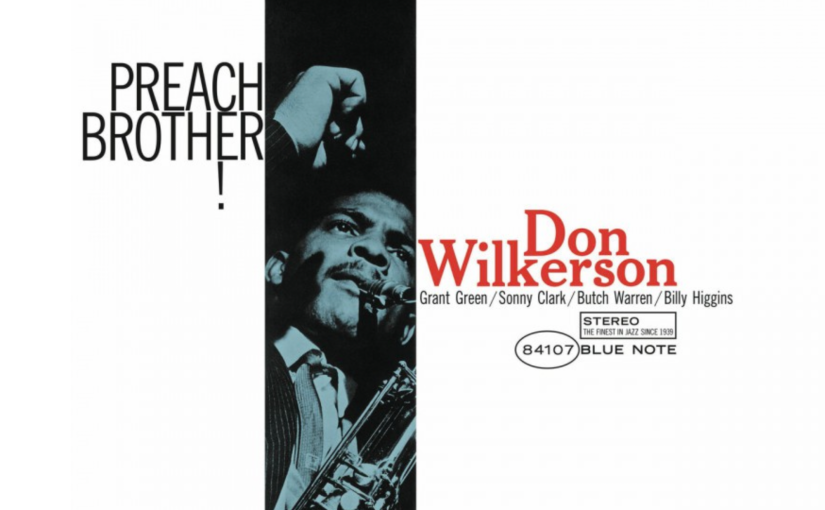
Don Wilkerson’s album “Preach Brother!” is a masterful creation that effortlessly blends soul, jazz, and blues into a captivating musical experience. Released in the golden era of the 1960s, this album features six Wilkerson originals that transcend time. Don Wilkerson’s saxophone mastery radiates through every note and is complemented by a tightly bonded ensemble that infuses vibrant life into each track: Grant Green on the guitar, Sonny Clark on the piano, Butch Warren on the bass, and Billy Higgins behind the drums.
The opening track “Jeanie-Weenie,” is a joyful upbeat rhythm-and-blues-influenced composition that features a walking boogie-woogie baseline throughout the track. It is evident that this piece draws strong inspiration from the collaborative work between Don Wilkerson and Amos Milburn during the late 1940s. “Homesick Blues” brings a change of pace, slowing things down with its timeless blues essence. In contrast to the lively “Jeanie-Weenie,” this classic blues track invites you to sit back and tap your feet to its syncopated rhythms. Don Wilkerson’s saxophone takes center stage, adding another layer of depth to the otherwise traditional composition. As the song nears its end, Wilkerson boldly takes control of the rhythm, subtly challenging the drums and creating a beautiful interplay.
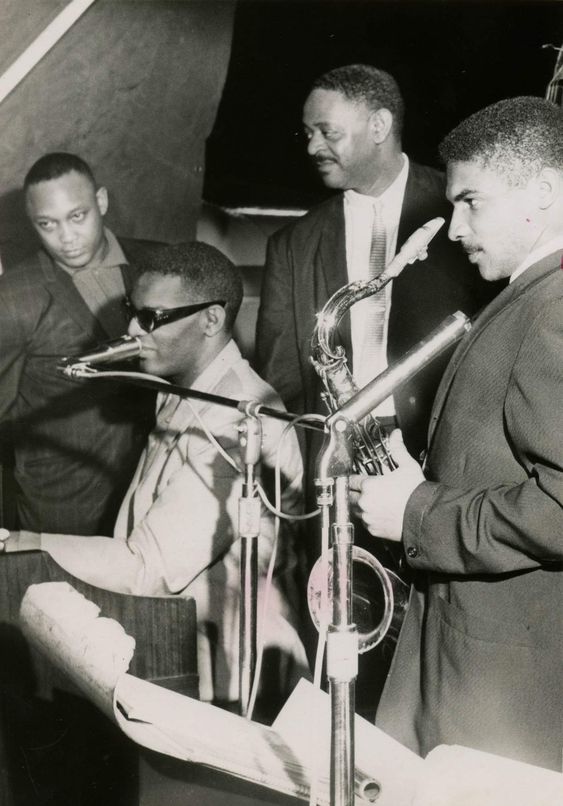
Don Wilkerson’s breakthrough as a musician came when he joined Ray Charles’ band in 1954. Classics such as “I’ve Got a Woman” and “Hallelujah” all feature Wilkerson’s saxophone. When listening to the album “Preach Brother!,” you can unmistakably feel and hear the echoes of “The Genius of Soul.”
In “Dem Tambourines,” Billy Higgins skillfully synchronizes the drums with the tambourines, creating a vibrant and rhythmic jam session atmosphere. There are minor but evident traces of Ray Charles’ influence in the rhythm, and you might consider playing “What’d I Say” afterward to discern the similarities. In “Camp Meeting,” the unmistakable essence of Ray Charles’ soul and rhythm is palpable, particularly when compared to “I’ve Got a Woman,” where Wilkerson’s saxophone features in the original recording.
“The Eldorado Shuffle” is a call-and-response spotlighting Grant Green’s guitar, Don Wilkerson’s saxophone, and Sonny Clark’s piano. “Pigeon Peas” is a rhythmical composition including funky breaks and musical interpretation. The musicians are building up tension throughout the arrangement which highlights the interplay across this tightly bonded ensemble.
Los Angeles, CA – [7/29/2024] – Renowned saxophone player and composer Alicia Camiña is thrilled to announce the release of her latest album, ‘Somewhere in My Dream,’ an innovative blend of jazz funk fusion that…
Don Wilkerson’s album “Preach Brother!” is a masterful creation that effortlessly blends soul, jazz, and blues into a captivating musical experience. Released in the golden era of the 1960s, this album features six Wilkerson originals…
John Coltrane’s A Love Supreme is a transformative and deeply personal work that speaks to the heart of human experience. As a listener, I am drawn in by the raw emotion and spiritual depth of…
In his book “The Jazz Standards,” Ted Gioia, a well-known American author, jazz pianist, and music historian, stated that during his own journey of learning jazz, there existed a core set of 200 to 300 compositions that “served as the cornerstone” of the jazz repertoire. By emphasizing the importance of these compositions, Gioia underscores their pivotal role in shaping the evolution of jazz music over time. He explains that a jazz performer needed to learn these songs the same way a classical musician studied the works of Bach, Beethoven, and Mozart.
Jazz standards are musical compositions that have gained widespread recognition and have been performed and recorded by jazz musicians over the years. One defining characteristic of jazz standards is their harmonic structure. They often have a simple, memorable melody that is accompanied by a complex, sophisticated harmonic progression. These progressions provide ample opportunities for jazz musicians to improvise and explore different variations of the melody and harmony.
This article explores the captivating universe of jazz standards throughout the decades and presents a few classic examples for your listening pleasure. I’ll include a playlist as a reference so you can enjoy the songs while you read through the article.
1920s and Before
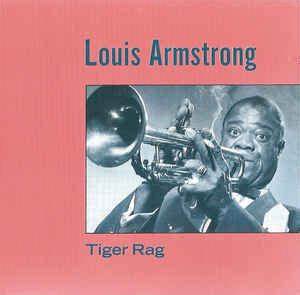
The origins of jazz standards can be traced back to the American songbook of the early 1900s when musicians primarily intended their music to be used for dancing. Musical traditions of New Orleans at the turn of the century included brass bands, blues, ragtime, and spirituals. Many of the popular jazz standards from that time were influenced by these styles. For instance, jazz musicians frequently play ragtime songs such as “Twelfth Street Rag” and “Tiger Rag,” as well as blues tunes like “St. Louis Blues” and “St. James Infirmary.”
Record companies also played a role in shaping the selection of songs recorded by jazz artists. Recording executives pushed certain songs that quickly achieved a “standard” status. As a result, early jazz groups like King Oliver’s Creole Jazz Band, New Orleans Rhythm Kings, and others incorporated a significant number of Tin Pan Alley popular songs into their repertoire, these are songs written by a collective of songwriters and publishers based in New York City.
A timeless classic from this era is the American blues song and acclaimed standard, “St. James Infirmary Blues.” It’s a traditional American folkloric song with an uncertain origin. The song includes phrases from early blues recordings and has over 120 versions by various artists, with more than 20 versions of the lyrics. The versions by Louis Armstrong (1928), King Oliver (1930), Duke Ellington (1930), and Cab Calloway (1930) are among the most highly regarded. Various musicians continue to record the song, and my preferred versions are those by Dee Dee Bridgewater and Hugh Laurie.
Another noteworthy inclusion is the traditional psalm “When the Saints Go Marching In,” which may have originated in the Bahamas in the 19th century and was frequently played by brass bands in New Orleans during funeral processions. Many artists have recorded the song, but it was Louis Armstrong who truly popularized it with his 1938 recording. Other noteworthy versions include those by Bunk Johnson (1945) and Sidney Bechet (1949).
Additional recommended jazz standards:
Title
Recommended Version
King Porter Stomp
Jelly Roll Morton
Tea for Two
Art Tatum
Blue Skies
Ella Fitzgerald
Basin Street Blues
Louis Armstrong
Ain’t Misbehavin’
Billie Holiday
1930s and 1940s
Swing jazz emerged as the predominant musical genre in America during the late 1920s and early 1930s, producing plenty of renowned swing-era hits that have since become jazz standards. Among the most significant contributors was Duke Ellington, who either composed or collaborated on over one thousand compositions, including “It Don’t Mean a Thing (If It Ain’t Got That Swing)“, “Sophisticated Lady“, and “Caravan“,
Also, the Broadway theater produced some of the most popular standards that remain widely recognized today. Compositions such as George and Ira Gershwin’s “Summertime“, Richard Rodgers and Lorenz Hart’s “My Funny Valentine“, and Jerome Kern and Oscar Hammerstein II’s “All the Things You Are” continue to be among the most frequently recorded jazz standards.
In the early 1940s, Bebop was introduced with Charlie Parker, Dizzy Gillespie, and Thelonious Monk taking the lead. This form of jazz was more distinctive compared to earlier versions, as it appealed to a more specialized audience due to its complex harmonies, fast tempos, and virtuoso musicianship. Bebop musicians frequently included songs from Broadway musicals, particularly 1930s standards, in their repertoire.
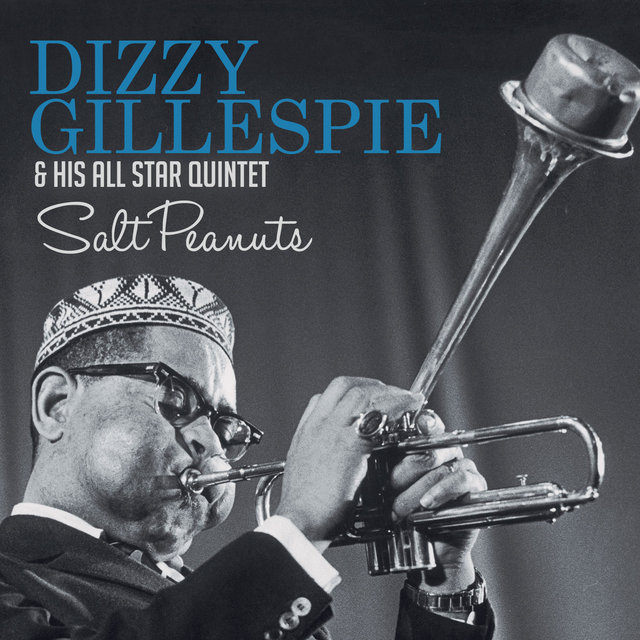
Numerous bebop standards have gained widespread popularity over the years. For instance, “Salt Peanuts,” a scat/bebop composition by Kenny Clarke and Dizzy Gillespie, “Take the A Train” by Billy Strayhorn, which gained critical acclaim and became the signature tune of Duke Ellington’s Orchestra, “Scrapple from the Apple” by Charlie Parker, which is an improvisation over the chord progression of Fats Waller’s “Honeysuckle Rose,” and “‘‘Round Midnight” composed by Thelonious Monk and Cootie Williams, which Miles Davis later performed at the Newport Jazz in 1955.
Additional recommended jazz standards:
Title
Recommended Version
Body and Soul
Coleman Hawkins
All of Me
Billie Holiday
Autumn in New York
Ella Fitzgerald
Blue Moon
Billie Holiday
In a Sentimental Mood
Duke Ellington & John Coltrane
How High the Moon
Ella Fitzgerald
A Night in Tunisia
Dizzy Gillespie
Yardbird Suite
Charlie Parker
Autumn Leaves
Cannonball Adderley
Lady Bird
Tadd Dameron Sextet
1950s and After
The 1950s was a decade of significant evolution and innovation for jazz music. It was a time when jazz musicians broke free from traditional constraints and experimented with new sounds, rhythms, and structures. This period is often referred to as the “golden age of jazz,” and it saw the rise of several influential jazz musicians who composed or reimagined jazz standards.
At the forefront was trumpeter Miles Davis, whose cool and model jazz pieces quickly gained a standard status. “Milestones,” a composition he recorded in 1958 with John Coltrane and Cannonball Adderley, is an early exploration of the model jazz style. The piece ultimately led Miles Davis to create “So What,” the most well-known example of model jazz, which opened his 1959 studio album “Kind of Blue.” The album, also featuring John Coltrane and Cannonball Adderley, is widely regarded as the greatest jazz album ever made.
The same year Miles Davis released “Kind of Blue,” The Dave Brubeck Quartet recorded and released their signature piece “Take Five.” In the jazz standard Take Five, composed by Paul Desmond, the quartet uses the uncommon time signature 5/4. It was the first jazz composition using another signature other than the standard 4/4 or 3/4 times. The song’s iconic drum and piano introduction, followed by the alto saxophone melody, helped it become a well-known and best-selling jazz classic of all time.
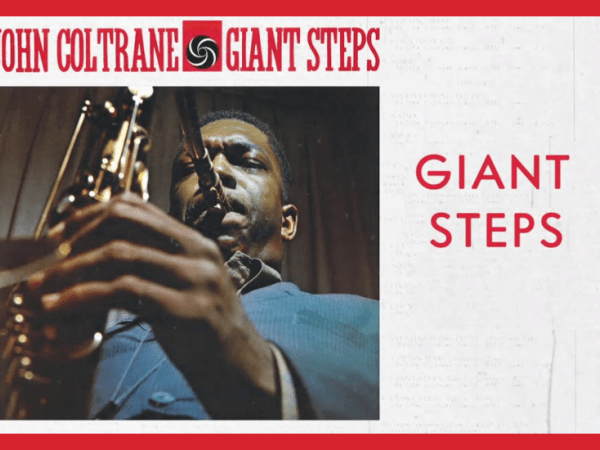
John Coltrane’s hard bop masterpiece, “Giant Steps,” was released in February 1960 and is also regarded as one of the most influential jazz albums ever. It features various Coltrane compositions such as the opening and title track “Giant Steps,” which includes unusual harmonic chord patterns known as the “Coltrane changes”, and the homage “Naima,” named after his then-wife, Juanita Naima Grubbs.
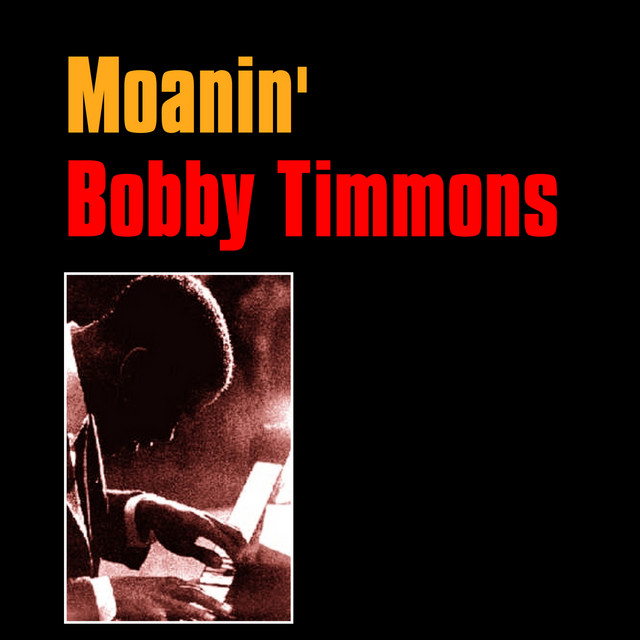
Bobby Timmons, a prominent member of Art Blakey’s Jazz Messengers, composed “Moanin’“, which was recorded and released by the ensemble. The recording featured Art Blakey on drums, Lee Morgan on trumpet, and Benny Golson on tenor sax, along with Timmons’ piano. The song features a call-and-response structure led by Timmons’ piano. Jazz critic Gary Giddins has noted that “Moaning” was “part of the funky, back-to-roots movement popularized by Horace Silver, Mingus, and Ray Charles in different ways.“
Additional recommended jazz standards:
Title
Recommended Version
Afro Blue
Dee Dee Bridgewater
The Sidewinder
Lee Morgan
Impressions
John Coltrane
Bluesette
Toots Thielemans
The Girl from Ipanema
Stan Getz & Astrud Gilberto
Blue Train
John Coltrane
My Favorite Things
John Coltrane
Watermelon Man
Herbie Hancock
Footprints
Wayne Shorter
Spain
Chick Corea
Disclaimer: I would like to clarify that the jazz recommendations I provide are based on my individual taste and preferences. It’s important to note that the versions of the songs I suggest may not necessarily be the original recordings by the composer, but rather renditions by other artists.
Boogie-woogie is, without doubt, one of the most complex piano styles developed in America. The pianist needs to demonstrate exceptional hand-independence skills and an excessive sense for rhythm and timing…
The sound of doo-wop music was born out of the creativity of the African American youth who dealt with the impact of segregation during its peak in the late 1940s…
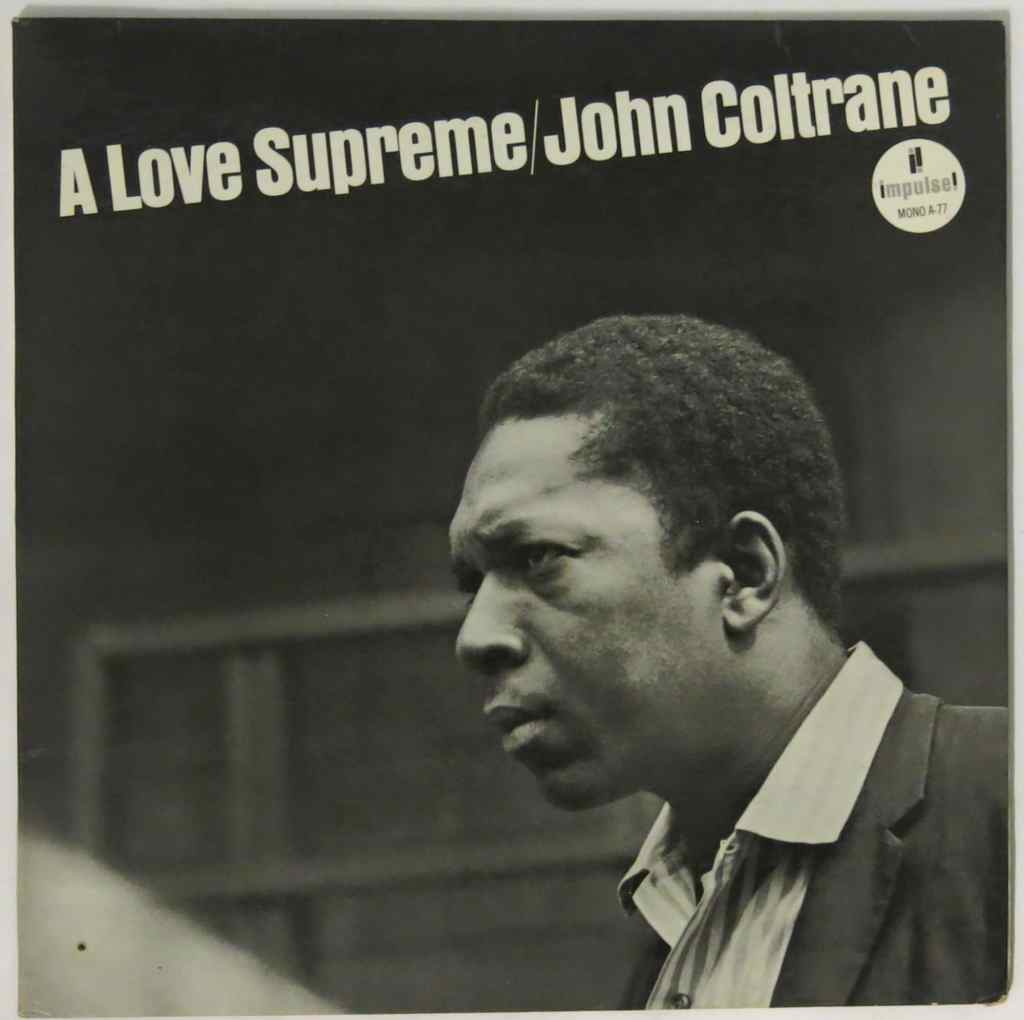
John Coltrane’s A Love Supreme is a transformative and deeply personal work that speaks to the heart of human experience. As a listener, I am drawn in by the raw emotion and spiritual depth of the album, which was released by Impulse! Records in 1965. Coltrane’s tenor saxophone playing is both virtuosic and soulful, conveying a sense of urgency and purpose that reflects his search for enlightenment. The album’s four tracks form a suite that takes the listener on a journey of introspection and self-discovery, with each song building upon the last to create a powerful and cohesive narrative.
The opening track, “Acknowledgment,” is a soaring and uplifting composition that sets the tone for the rest of the album. Coltrane’s saxophone playing is full of energy and emotion, and his bandmates – pianist McCoy Tyner, bassist Jimmy Garrison, and drummer Elvin Jones – provide a strong and supportive backdrop.
The second track, “Resolution,” is a more contemplative piece that explores the theme of struggle and determination. Coltrane’s saxophone playing is still at the forefront, but the rest of the band is given more space to showcase their talents as well.
The third track, “Pursuance,” is a lively and energetic piece that features some of Coltrane’s most impressive and intricate saxophone playing. The rhythm section keeps pace with Coltrane’s frenzied improvisations, creating a sense of tension and excitement that builds throughout the song.
The final track, “Psalm,” is a beautiful and meditative piece that serves as a prayer of thanks for Coltrane’s spiritual awakening. The song features a spoken-word section where Coltrane recites a poem that expresses his gratitude and devotion.
A Love Supreme is not only a jazz masterpiece but also a deeply personal and spiritual work that resonates with listeners of all backgrounds. John Coltrane’s exceptional talent and creativity are on full display in this album, which features complex harmonies, intricate rhythms, and breathtaking improvisations. However, it is the emotional intensity and spiritual depth of the music that makes A Love Supreme a transcendent experience.
John Coltrane’s masterpiece, Giant Steps, turned sixty in 2020 and this was celebrated with an anniversary deluxe edition LP. Let’s have a brief look at how the album came to life and how Coltrane developed,…
By 1964 saxophonist John Coltrane was one of the leading figures in jazz music. Mainly, thanks to his release of Giant Steps in 1960. Officially, he recorded and released two albums that year: the often-overlooked…
The second half of the nineteen-fifties defined John Coltrane’s career and helped him come into prominence as a musician and arranger. Underlined is the time as a member in Miles Davis’ First Great Quintet and…
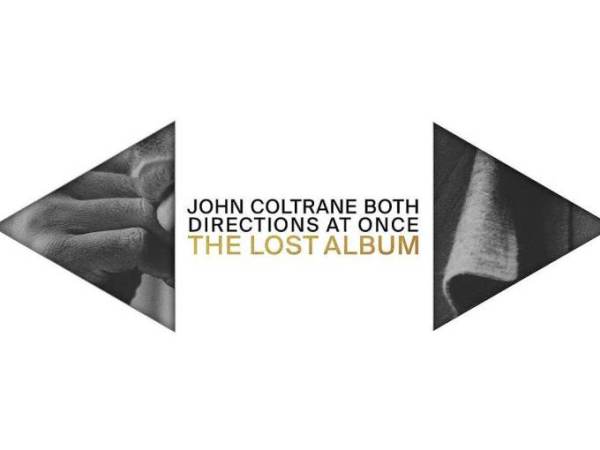
Another lost John Coltrane recording which recently got discovered is the album titled Both Directions at Once: The Lost Album. The album got recorded on March 6, 1963, in the Rudy Van Gelder Studio. The…
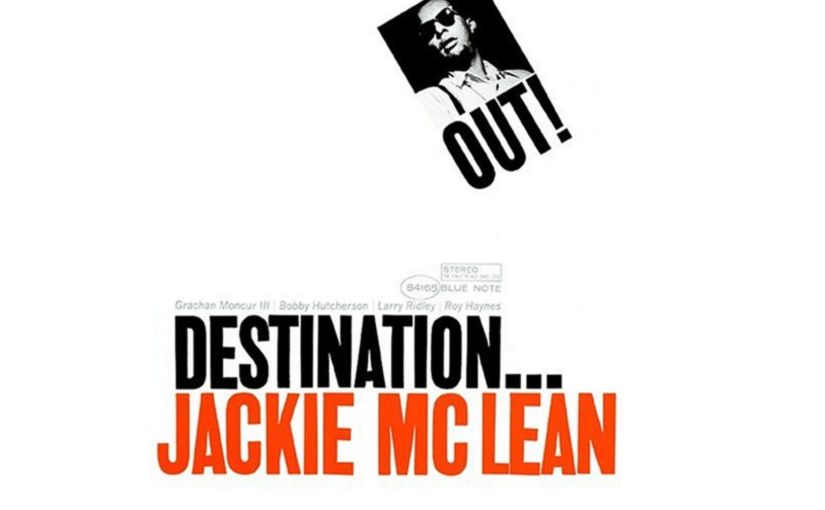
Acclaimed saxophonist and hard-bop innovator Jackie McLean was a vital contributor to the direction of jazz music into post-bop by introducing elements of the avant-garde through the 1950s and ’60s. His Blue Note studio album Destination…Out! (Blue Note, 1964) brings forward these elements.
McLean became an active presence in New York City after bebop revolutionized and dominated the jazz scene. At a young age and before starting to lead his own groups, he learned from prominent figures such as Miles Davis, Art Blakey, Charles Mingus, and Charlie Parker.
His first recording as a jazz musician came when he was only 16 years old. His first significant collaboration as an alto saxophonist was on the album Dig (Prestige, 1951) where he featured as a sideman alongside Art Blakey, Sonny Rollins, and Miles Davis. He continued working with Miles Davis and accompanied the trumpetist on his first Blue Note recording session in 1952. His name appeared next to Miles Davis’s on various Blue Note albums, which led to releasing his own debut as a leader: Presenting… Jackie McLean: The New Tradition (Ad Lib, 1955).
In 1956, he became a member of Art Blakey’s Jazz Messengers collective and stayed with them until 1958. During these years, he played a vital role in developing hard bop alongside Art Blakey and so, he became one of its pioneers. His Jazz Messengers years were not exclusive, McLean continued to produce successful albums on various labels as both a leader and sideman. His most notable work aside from the Jazz Messengers recordings were the recordings with Charlie Mingus’ band, and the recording of the “enduring hard-bop classic” (The New York Times) album titled Cool Struttin’ by jazz pianist Sonny Clark (Blue Note, 1958).
“Of all of McLean’s Blue Note dates, so many of which are classic jazz recordings, Destination Out! stands as the one that reveals the true soulfulness and complexity of his writing, arranging, and ‘singing’ voice.”
Thom Jurek (review for AllMusic)
By the time Destination…Out! was recorded and released, McLean was an icon of the NYC jazz scene. In the years building up to the Destination…Out! recording, McLean’s innovative hard bop sound progressed and elements of the avand-garde began to take the surface. McLean got Inspired by Ornette Coleman and John Coltrane which make him seek greater freedom of expression in his music. “Today, we live in an age of speed and variety; we live in an age of men seeking to explore words beyond; and since music is just an expression of the happenings around us, it is quite natural for the young musicians to express or attempt to express the mood and tempo of our time; just as ragtime music painted a portrait of the era of prohibition, so too does today’s jazz paint a portrait of the space age,” McLean wrote for the album’s liner notes.
Just Coolin’ is the result of a unique but short-lived ensemble of The Jazz Messengers collective. Originally founded and led by drummer Art Blakey, The Jazz Messengers knew many…
John Coltrane started his musical journey in 1949 under the spell of Charlie Parker and later Dizzy Gillespie. In 1954, he joined The Miles Davis Quintet where he was…
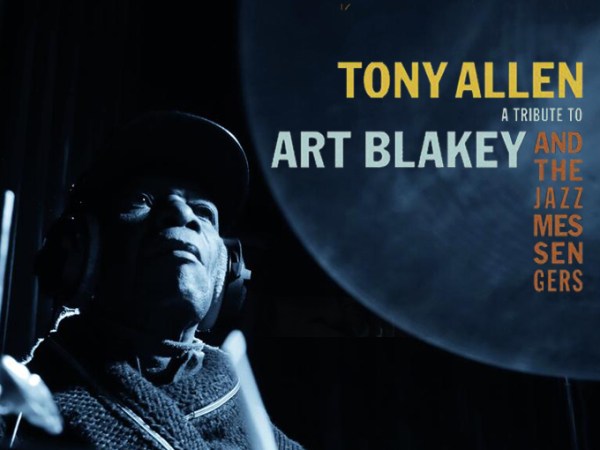
Afrobeat legend and drummer, Tony Allen, was strongly influenced by the recordings of Art Blakey. For his first release on Blue Note Records, he pays a tribute to one…
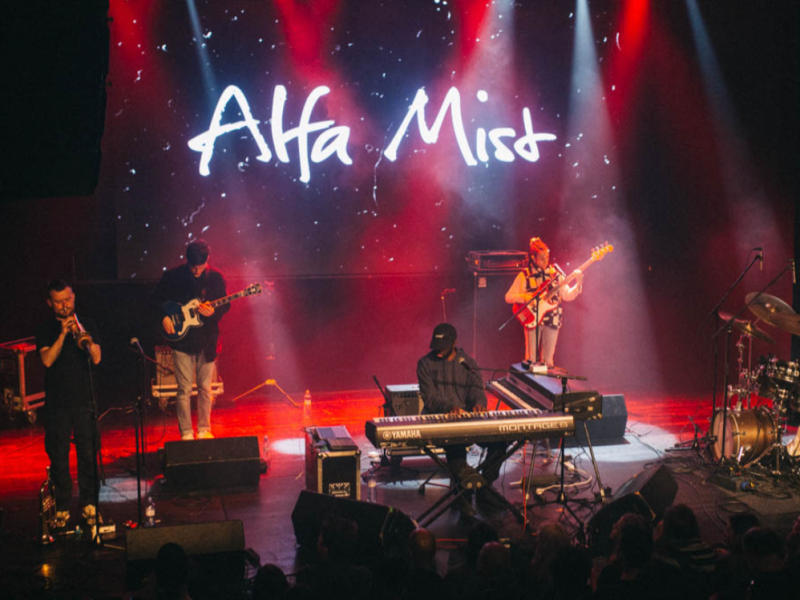
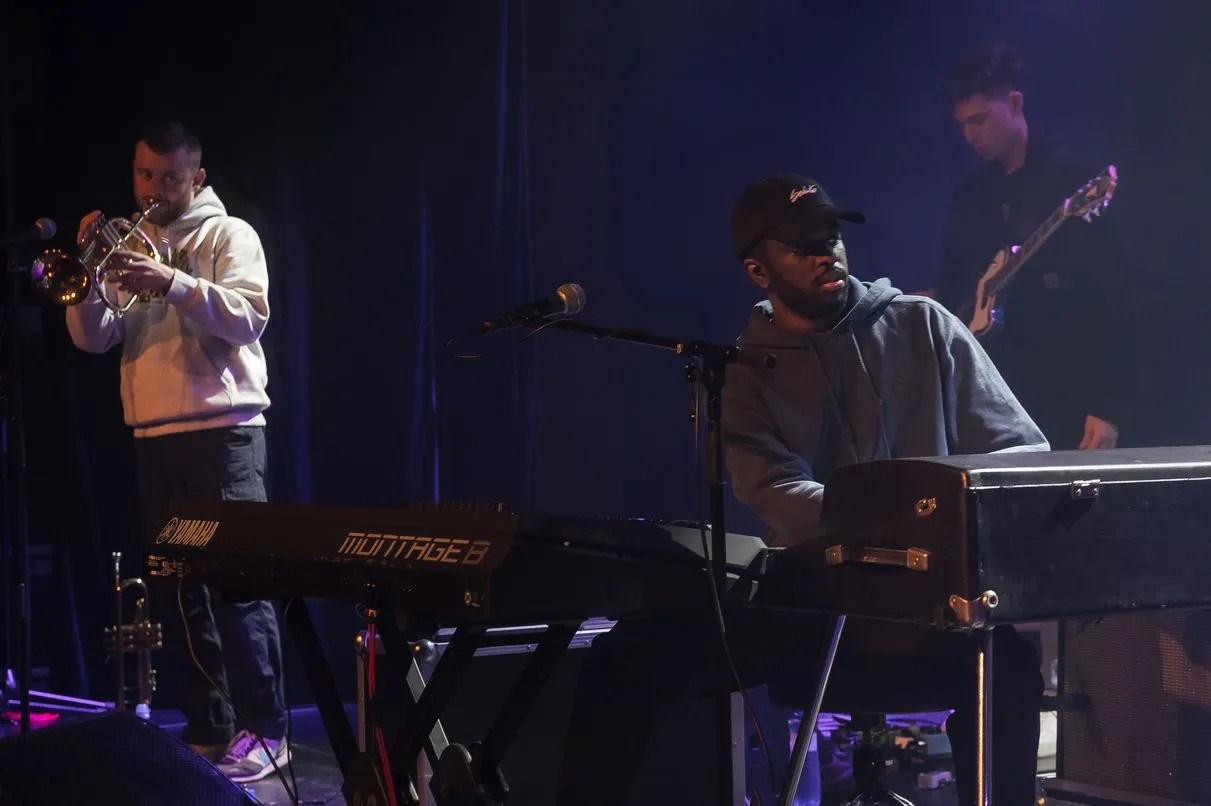
Palac Acropolis, a cozy and historic venue nestled in the Zizkov district of Prague, played host to an unforgettable evening of contemporary jazz music from England. Known for its diverse range of cultural events, the venue was the perfect setting for the long-awaited performance of the renowned artist, Alfa Mist. The small and intimate atmosphere of Palac Acropolis created incredible energy, allowing us to fully immerse ourselves in the music experience. It was a night that will forever be etched in our memories as a true highlight of our time in Prague.
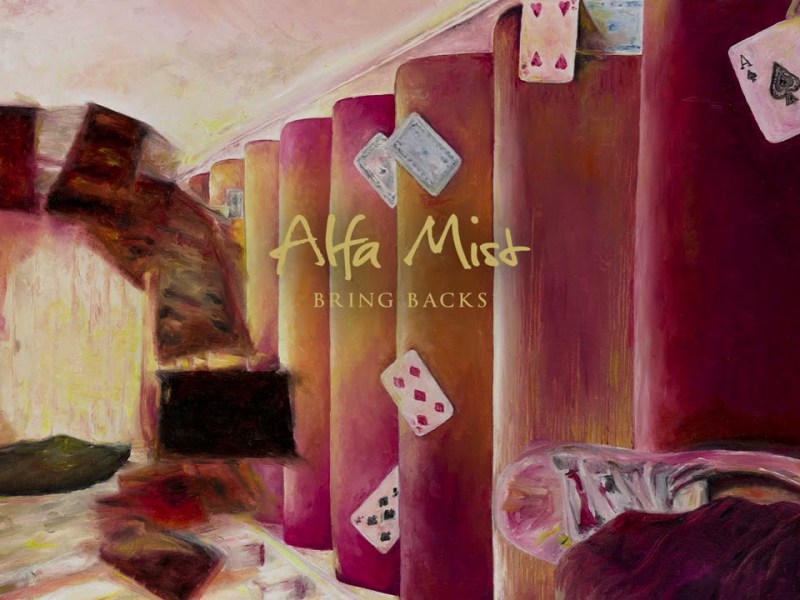
Arriving early to secure a prime spot in the front row, we eagerly awaited the start of the concert. For months leading up to the event, Alfa Mist’s albums had been on repeat in our apartment, building anticipation for this momentous occasion. Especially his latest release, “Bring Backs,” where he reflects upon his sampling and hip-hop days, hasn’t left my turntable’s platter.
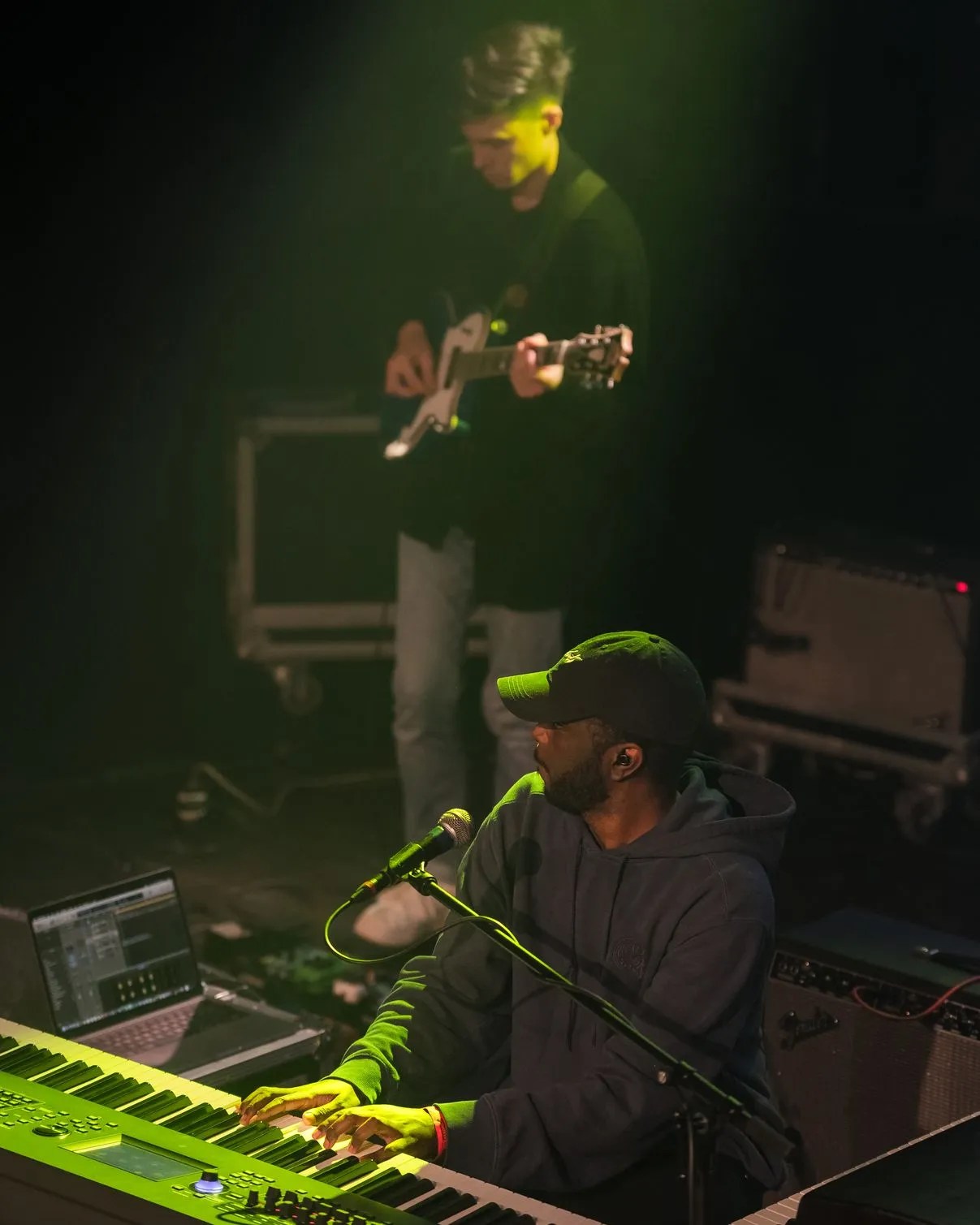
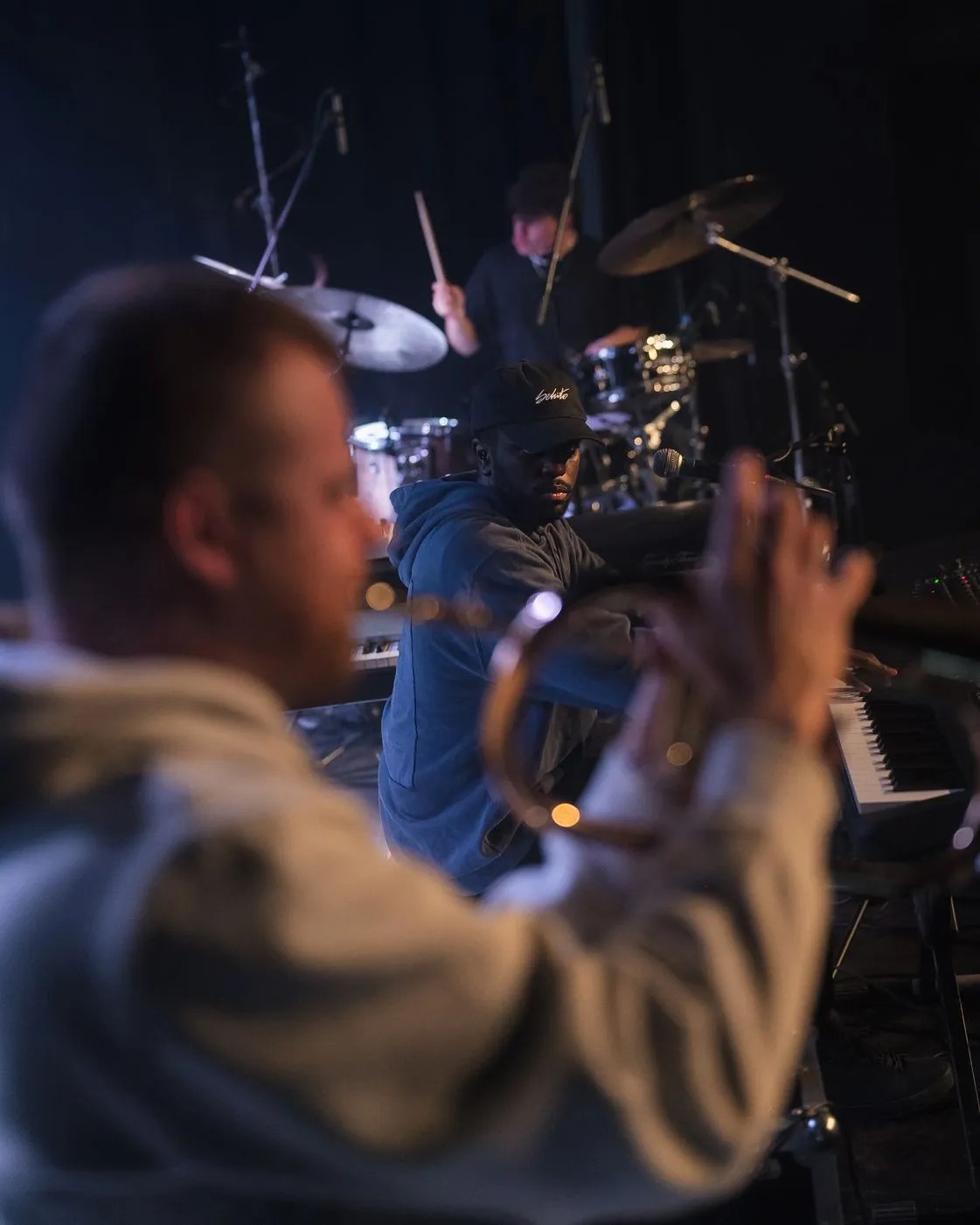
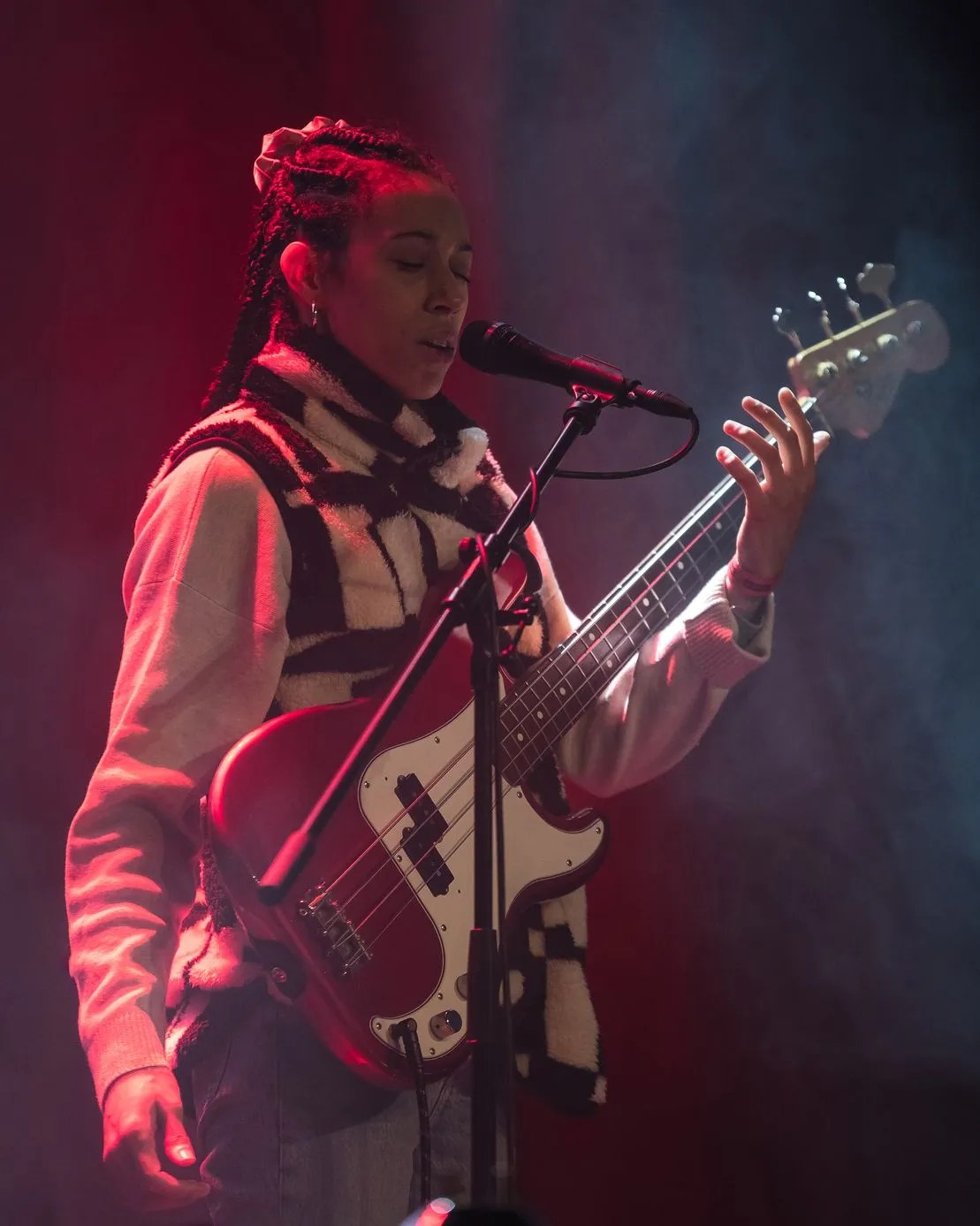
Alfa Mist’s arrival on stage ignited an intense energy that filled the room. The renowned British jazz pianist and producer, known for his distinctive mix of jazz, hip-hop, and R&B, weaved together complex melodies and harmonies with his band, creating a captivating sound that blended soulfulness and experimentation. The crowd was mesmerized, swaying to the entrancing rhythms and being carried away by the smooth vocals.
As the concert drew to a close, Alfa Mist and his band left the stage with thunderous applause and cheers. The audience had been treated to a truly unforgettable night of music, and it was clear that Alfa Mist’s unique sound had resonated deeply with the Prague crowd.
With his third studio album, the British producer, songwriter, and self-thought pianist Alfa Mist reflects upon his sampling and hip-hop days on the streets of London. After self-releasing his two previous albums – Antiphon and…
How was 2021 for jazz musicians? Let’s reflect back and list out what were, according to me, the five best jazz albums released during the year. Dear Love – Jazzmeia Horn and Her Noble Force…
Ever since its birth, jazz music has continuously evolved into various subgenres. The American record label Blue Note Records, which got established in 1939, played a significant role in this evolution. The company is a…
Starting a jazz collection is easy, but how can you bring diversity to the mix? Jazz music has evolved since its birth and is still progressing today, this triggered the development of various styles and subgenres. I am calling out ten jazz records that are both essential and diverse. We’ll explore milestones in swing, bop, hard bop, modal jazz, avant-garde jazz, Ethio-jazz, soul-jazz, and afrobeat.
Satchmo At Symphony Hall – Louis Armstrong(Decca, 1951)
To start this list, I call out one of the finest Louis Armstrong recordings. Louis Armstrong had, without doubt, a major impact on the development of New Orleans-style jazz music. He joined several celebrated bands, including Kid Ory’s group and King Oliver’s Creole Jazz. There Armstrong grew as a musician that innovated the genre. Later in his career, he would close the book on traditional New Orleans Jazz and became a prominent figure during the swing era.
Satchmo At Symphony Hall, live recorded in 1947, captured one of his most memorable performances. It was an entertaining evening full of highlights such as one of Armstrong’s earliest hits ‘(What Did I Do To Be So) Black and Blue, and the jazz standard On the Sunny Side of the Street. The recording was issued on DeccaRecords and released to the public on April 30, 1951.
The Cooker – Lee Morgan (Blue Note, 1958)
Trumpeter Lee Morgan was only 19 years old when he led the recording of his Blue Note original album titled The Cooker. The album is a demonstration of Morgan’s early bop-oriented influence and contains improvisation that communicates to the listener. He is playing with a kind of youthful enthusiasm and spontaneity.
Morgan plays exceptionally well for his age. When comparing this album to his previous work, we can notice the speedy development of his skills as a musician and bandleader. Lee Morgan will soon grow to become one of the greatest hard bop trumpeters in jazz history. He would be listed next to other trumpet legends like Miles Davis and Dizzy Gillespie.
Cannonball Adderley’s Somethin’ Else is a well-known and celebrated jazz classic. It is also one of the few albums featuring trumpeter Miles Davis as a sideman. Adderley was a member of Miles Davis’ sextet at the time the album was recorded so, both musicians understood each other. The album is an interplay between Adderley and Davis. Some tracks are perfectly synchronized call-and-response interactions between the trumpet and alto sax, showcasing their relation to the music and each other.
Looking further down the list of personnel displayed on the album’s cover, we got more big names from the scene: Hank Jones on the piano, Sam Jones on the base, and Art Blakey behind the drums. The track list is as impressive as the list of personnel. All songs seem to be selected carefully, including the opening track, the celebrated jazz standard Autumn Leaves, composed by Joseph Kosma.
Kind of Blue – Miles Davis (Columbia, 1959)
Kind of Blue, by the acclaimed trumpeter Miles Davis, is considered the greatest jazz record of all time by many critics. It’s Miles Davis’s masterpiece, based on a modal approach and sophisticated improvisation rather than using conventional chord changes commonly done in bebop and hard bop style.
Miles Davis invited saxophonists John Coltrane and Cannonball Adderley, pianists Bill Evans and Wyn Kelly, bassist Paul Chambers, and drummer Jimmy Cobb. The sextet explored various possibilities of the modal jazz framework. The album got not only rated as the greatest jazz record of all time, today it is still considered one of the most significant musical achievements of the twentieth century.
Giant Steps – John Coltrane (Atlantic, 1960)
In 1954, Coltrane joined The Miles Davis Quintet where he was encouraged to think more harmonically. This was an important milestone in the yet-to-be-written composition of Giant Steps as he was introduced to new possibilities in chord progressions. After a drug addiction that caused him to leave Davis’ band, he started rehearsing with the celebrated Thelonious Monk. This not only helped him recover from his addiction, but it also helped him develop artistically.
Fully recovered and evolved, Coltrane rejoined Miles Davis’ quintet in 1958. The following year, they recorded Miles Davis’ Kind of Blue, an album that is claimed to be the most important album in jazz history. Giant Steps was recorded less than a month after the sessions for Kind of Blue. Giant Steps – consisting entirely out of Coltrane’s original compositions – was released in 1960, and despite being a perfect contrast to Kind of Blue, it became a mighty equal. Coltrane masters the skills to compose and record an album that innovated jazz harmonically and rhythmically.
Duke Ellington & John Coltrane (Impulse!, 1963)
World-renowned jazz pianist and composer Duke Ellington regularly partnered with other acclaimed jazz musicians during the early sixties. John Coltrane was no exception. In 1962, the pianist and the tenor saxophonist recorded the self-titled album Duke Ellington & John Coltrane. The recording got released in 1963 and would become the most successful collaboration Duke Ellington undertook during the early sixties. It’s a display of two jazz musicians from a different generation who, despite having a divergent background and relationship with music, communicate politely.
The recording was an opportunity for Duke Ellington to play with a quartet rather than with his usual big band arrangement. Ellington invited drummer Sam Woodyard and double-bassist Aaron Bell, who were both members of his orchestra in 1962, to support this studio session. John Coltrane invited two members of his Classic Quartet, drummer Elvin Jones and bassist Jimmy Garrison.
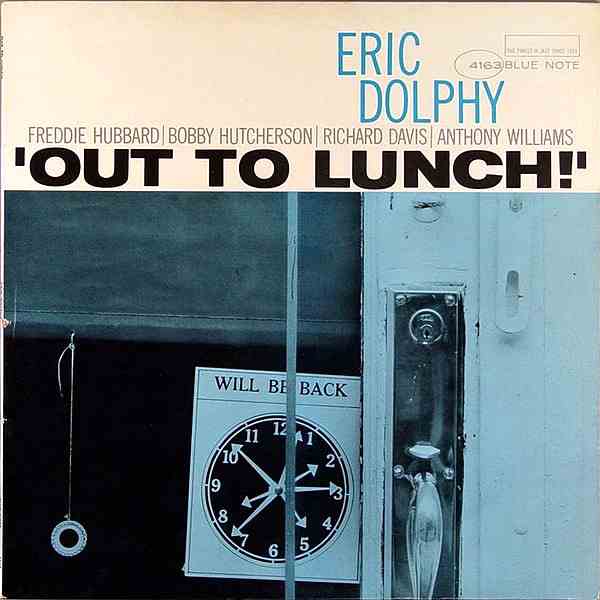
Out To Lunch! – Eric Dolphy (Blue Note, 1964)
The year nineteen sixty-four was revolutionary when it comes to jazz records. Coltrane recorded his most acclaimed work, A Love Supreme, which got released the following year. Lee Morgan released The Sidewinder, Blue Note‘s best-selling record ever. And saxophonist Wayne Shorter completed his fifth studio album JuJu. Many other state-of-the-art albums got released and, Eric Dolphy’s Out To Lunch! was no exception. This avant-garde jazz masterpiece got described as “a vital alternative to the melodic cliches and rhythmical orthodoxy of the hard-bop mainstream (A.B. Spellman).”
Dolphy’s unique compositional style is present throughout the album. He juggles with the theory behind jazz harmony by using unusual wide intervals. Dolphy explains that he is trying to incorporate what he hears: “I hear other resolutions on the basic harmonic patterns, and I try to use them.”
Mulatu Of Ethiopia – Mulatu Astatke (Worthy Records, 1972)
Ethiopian jazz musician and composer Mulatu Astatke had one important goal. He got inspired by jazz music and wanted to promote and actively use Ethiopian music in his jazz compositions. “The Nigerian and Ghanaian people living in London, they were very active in promoting it [their local music] so, I decided to start working more on our Ethiopian music.” he said, referring to his time in London during the 1950s. And so he did. Mulatu Astatke focused on fusing the Ethiopian 5 note scales against the 12 note scales of jazz. He created a different sound without losing the subtlety of both genres. The new sound got documented as Ethio-jazz, and Mulatu Astatke was its father.
Mulatu Astatke is the inventor of Ethio-jazz. The album Mulatu Of Ethiopia, recorded and released in 1972, is a well-documented proof of that. As a multi-instrumentalist, focussing mainly on percussion and the vibraphone, he brings moody rhythmical patterns influenced by jazz, funk, Latin and African music.
Afro Blue – Dee Dee Bridgewater (Trio Records, 1974)
Dee Dee Bridgewater, born Denise Garrett (1950), is an award-winning singer-songwriter with a career encompassing jazz, soul, and disco. Her debut studio album Afro Blue is a timeless soul-jazz masterpiece that highlights her exceptional vocal abilities. The album features a song collection compiled from various music genres. Most songs are arranged by jazz trumpeter and Dee Dee’s husband, Cecil Bridgewater.
The album features various acclaimed jazz songs such as Horace Silver’s Love Vibrations (1970), Little B’s Poem by vibraphonist Bobby Hutcherson (1965), and of course, the title track Afro Blue, a jazz standard by Mongo Santamaria (1956).
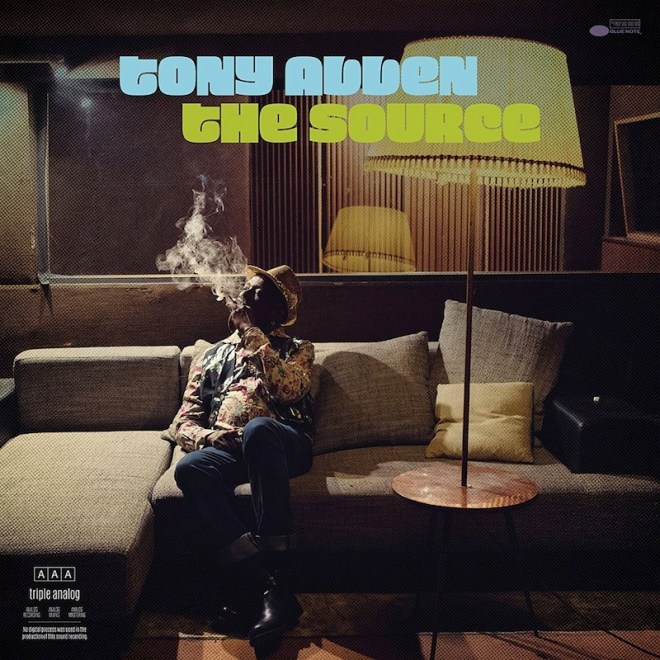
The Source – Tony Allen (Blue Note, 2017)
Tony Allen’s 2017 mini-album release A Tribute To Art Blakey & The Jazz Messengers was a unique opportunity to marry his afrobeat rhythms with Art Blakey’s hard bop influences. It also served as a forerunner for his full-length Blue Note debut The Source in which he further explores the relationship between African music and western jazz.
The long-time Fela Kuti drummer found inspiration in Art Blakey’s work. Fusing his afrobeat past with jazz gave him a chance to document his interpretations as a self-thought drummer. In The Source, Tony Allen continues to return to his jazz roots. This time, he explores a wider web of jazz influences. The album includes eleven tracks composed and arranged by Tony Allen and saxophonist Yann Jankielewicz.
John Coltrane started his musical journey in 1949 under the spell of Charlie Parker and later Dizzy Gillespie. In 1954, he joined The Miles Davis Quintet where he was encouraged to think more harmonically. During…
What attracts me to an album apart from the music, is the sleeve design. Here are again five designs that inspired me. The artwork is stunning and at the same time, it contributes to the…
How was 2021 for jazz musicians? Let’s reflect back and list out what were, according to me, the five best jazz albums released during the year. Dear Love – Jazzmeia Horn and Her Noble Force…
Chris Dave, the recognized drummer who supported amongst other Adele and Justin Bieber, released his self-titled debut album with a large group of experienced musicians called the Drumhedz in 2018. With it, he exhibits things he couldn’t before. The album is a contemporaryoeuvre. One in which elements of funk, soul, gospel, R&B, and hip-hop are fused with jazz.
The drummer got exposed to various music genres from a young age. His father was a soul and jazz fan, his mother listened mainly to gospel, and his brothers were obsessed with the funk sound from the seventies. Thanks to this daily exposure to various but related musical styles, he created a distinctive approach to the drum kit. It enabled him to adapt to any musical setting. Whether he plays jazz or soul, hip-hop or pop, Chris Dave has no issues adjusting.
Chris Dave And The Drumhedz might be playing music powered by various music genres, in their debut album they remain committed to the jazz traditions. It is one of those bands that supported jazz in entering the mainstream.
Chris Dave And The Drumhedz: NPR Music Tiny Desk Concert
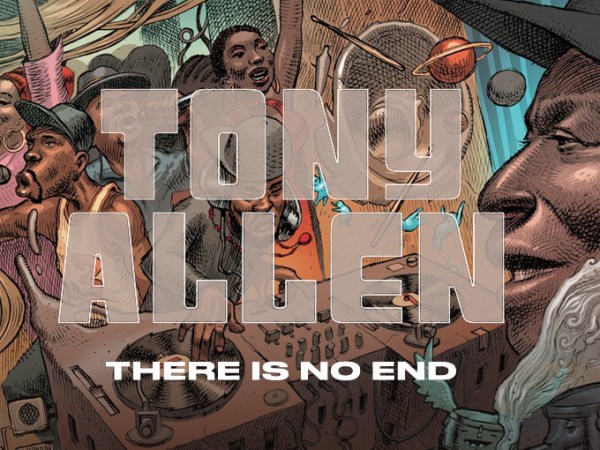
There Is No End is the album Tony Allen was working on before passing away at the age of 79. His fellow collaborators finished the recording and posthumously released the album on April 30, 2021.…
Just Coolin’ is the result of a unique but short-lived ensemble of The Jazz Messengers collective. Originally founded and led by drummer Art Blakey, The Jazz Messengers knew many changes. “Stability can be elusive for…
Would there be afrobeat without Tony Allen? Tony Allen’s beats and rhythms were, to say it modest, genre-defining. He will always be remembered as the pioneer and co-founder of afrobeat. He was a curious musician…
There is nothing more appealing to me than a jazz album infused with poetry and spoken word. And this is exactly what Jazzmeia Horn offers us. Dear Love is the third and most ambitious album by the American vocalist and arranger. Not only is it another demonstration of Jazzmeia “Jazz” Horn’s singing ability, but the album also spotlights her as a composer, arranger, and bandleader.
Jazzmeia Horn is an American jazz musician who came into prominence when she won theThelonious Monk Institute of Jazz International Vocals Competition in 2015. In 2017, she released her debut studio album titled A Social Call, and two years later, she released her follow-up album Love & Liberation. Both albums got nominated for Grammy Awards in the category Best Jazz Vocal Album. Her third body of work, Dear Love, is different and more progressive as the album is supported by a large ensemble of musicians who she calls Her Noble Force. All songs for this orchestral project are arranged by Jazzmeia Horn and, the album got released on her own label, Empress Legacy Records. The work has been Grammy-nominated for Best Large Jazz Ensemble.
In the album’s opening track “I Feel You Near,” she performs calming spoking-word over the baritone sax and percussion. She articulates every word coherently and, she uses intonation to built-up the tension. The song is poetic, but the instrumental backing brings motion. It hints towards traditional African folk music, where movement is a central theme. It is the perfect opening for an album that addresses personal aspects of life and where the contrast and variety of the compositions bring up different themes and moods.
“Ella could not only sing a melody, she could scat the hell out of some chord changes and sound just like an instrumentalist. I like to say that I am continuing the legacy, or the tradition, of vocal improvisation.”
Jazzmeia Horn
Despite being backed by a large jazz ensemble, Jazzmeia Horn managed to keep the album intimate and personal. Her vocals are meaningful and gentle. She has a consistent timbre, a wide range, and outstanding timing. In the song “Lover, Come Back To Me” – a well-known jazz standard thanks to Billie Holiday’s recording – her scat singing abilities can be compared to the legendary Ella Fitzgerald. Also, Horn’s improvisational skills are similar to the trademark of one of the most important jazz singers of all time. “I like to say that I am continuing the legacy, or the tradition, of vocal improvisation,” Horn says during an interview with NPR.
With his third studio album, the British producer, songwriter, and self-thought pianist Alfa Mist reflects upon his sampling and hip-hop days on the streets of London. After self-releasing his two previous albums – Antiphon and Structuralism – Alfa Mist…
How was 2021 for jazz musicians? Let’s reflect back and list out what were, according to me, the five best jazz albums released during the year. Dear Love – Jazzmeia Horn and Her Noble Force September 2021 / Empress…
This article is written in memory and honor of Shirley Elliston († October 5, 2005, New York City) Shirley Ellis is one of the most exciting performers in the world of popular music today. This excitement, which has consistently…
With his third studio album, the British producer, songwriter, and self-thought pianist Alfa Mist reflects upon his sampling and hip-hop days on the streets of London. After self-releasing his two previous albums – Antiphon and Structuralism – Alfa Mist partners with the American independent record label Anti- for his next body of work, Brings Back.
Alfa Mist is a London-based producer, rapper, and pianist. To be both a hip-hop rapper and a jazz pianist is unique on its own. Learning that both skills are self-thought makes him inspiring. Alfa Mist started to create music on the streets of East London when he was only 15 years old. Being a teenage hip-hop producer eventually led to the discovery of jazz music. ”There’s no access to jazz where I’m from,” Alfa says. “There’s no way I would have come to it without finding those hip-hop records and wanting to understand them.” Learning the piano enabled him to improvise and creatively fuse jazz with hip-hop. By 2015, he built his network and established himself as a leading figure within the vibrant and rapidly evolving London jazz scene.
Change is inevitable The isms and schisms, questionable The future is out there, a matter of time
Hilary Thomas
Alfa Mist’s first official release was the collaboration project with singer Emmavie titled Epoch. This independent release from 2014 is strongly influenced by avant-garde R&B and, it already blends jazz, soul, and hip-hop. His first solo release came in 2015 with the extended play Nocturne and, two years later, he released his breakthrough album titled Antiphon. In 2017, he followed up with his second full-length album, Structuralism. Bring Backs is the third in a series of recognized and welcomed Alfa Mist albums. The album captures Alfa Mist’s rap and piano skills. It blends contemporary jazz with R&B, soul, hip-hop, classical, and spoken word.
The reflective musical voyage alters between an instrumental atmosphere and vocals in the form of rap and spoken word. The lyrics, a poem by Hilary Thomas, is what binds the album together. A total of four vocalists support the album. On the opening track, “Teki,” we hear Hilary Thomas open her poem with a spoken-word piece: “Change is inevitable. The isms and schisms, questionable. The future is out there, a matter of time.” In the song “People,” Kaya Thomas-Dyke sings in what is more a guitar-driven ballad. Alfa Mist is the third vocalist we hear, and he does it the way we expect. “Mind the Gap” dives into hip-hop and rap but keeps the loungy jazz backing. Alfa Mist’s rap gets support from the rapper Lex Amor who brings a softer touch to the track.
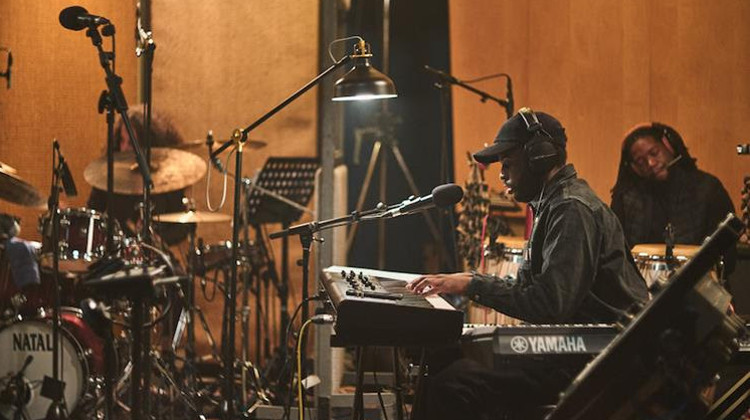
Alfa Mist in the studio during the Bring Backs recordings
Bring Backs got recorded in London together with an ensemble consisting of close friends and longtime collaborators, which makes things more personal. For the album’s title, Alfa Mist drew inspiration from a card game he played as a child. In the game, after winning a round, you can be brought back to play again, meaning that winning is never a sure thing. With it, Alfa Mist refers to his childhood. He lived in a constant state of uncertainty and instability. “You can be doing okay for a while but, that can change. You know that’s always a possibility,” he explains. The unpredictable and inevitable future is a recurring theme on the album.
The album is a confirmation that Alfa Mist will have more to offer in the future. He shows his ability to blend various musical styles and instruments into one meaningful oeuvre. Being a leading figure in the London music scene definitely influenced the album’s creativity.
How was 2021 for jazz musicians? Let’s reflect back and list out what were, according to me, the five best jazz albums released during the year. Dear Love – Jazzmeia Horn and Her Noble Force…
There Is No End is the album Tony Allen was working on before passing away at the age of 79. His fellow collaborators finished the recording and posthumously released the album on April 30, 2021.…
In 1968, the sixteen-year-old Danny Scher invited Thelonious Monk and his quartet to play a benefit concert at his high school in Palo Alto, California. The concert got recorded and now, more than 50 years…






























 Bertolt Press